
Running a café means balancing speed, customer service and efficiency throughout the day. Whether it is the morning coffee rush, lunchtime queues or weekend brunch service, the right card payment machine can make a noticeable difference to how smoothly your business operates.
A slow or unreliable payment system can frustrate customers, delay service and create unnecessary stress for staff. On the other hand, a well-suited card machine can improve queue times, support modern payment methods and help cafés provide a better overall experience.
With so many options available, it is important for café owners to understand which features genuinely matter before choosing a solution.
Why do cafés have different payment needs from other businesses?
Cafés operate differently from many other retail environments. Transactions are usually fast, frequent and relatively low in value. Customers also increasingly expect quick, contactless payments without delays.
Unlike larger retailers with fixed tills and multiple checkout stations, cafés often need flexibility. Staff may take payments at tables, outside seating areas or temporary service points during busy periods.
This means cafés usually benefit from payment systems that prioritise:
- Fast transaction speeds
- Reliable connectivity
- Portable devices
- Easy tipping options
- Long battery life
- Integration with tills or POS systems
The busiest periods in cafés are often short bursts of intense activity. Even a few extra seconds per transaction can build queues quickly.
What features matter most in a café card payment machine?
Not every feature will matter equally to every business, but several capabilities are particularly useful for cafés.
Fast contactless processing
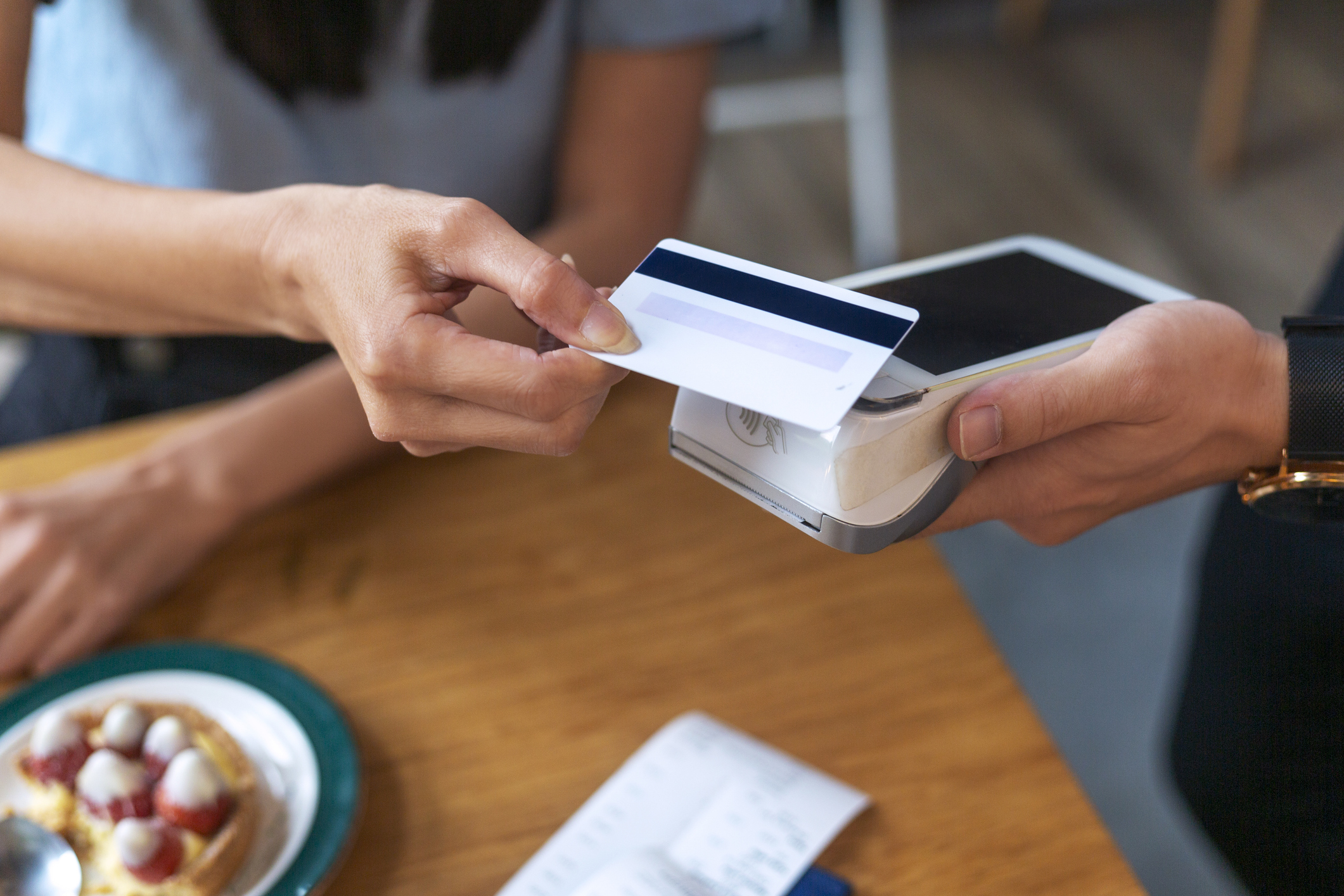
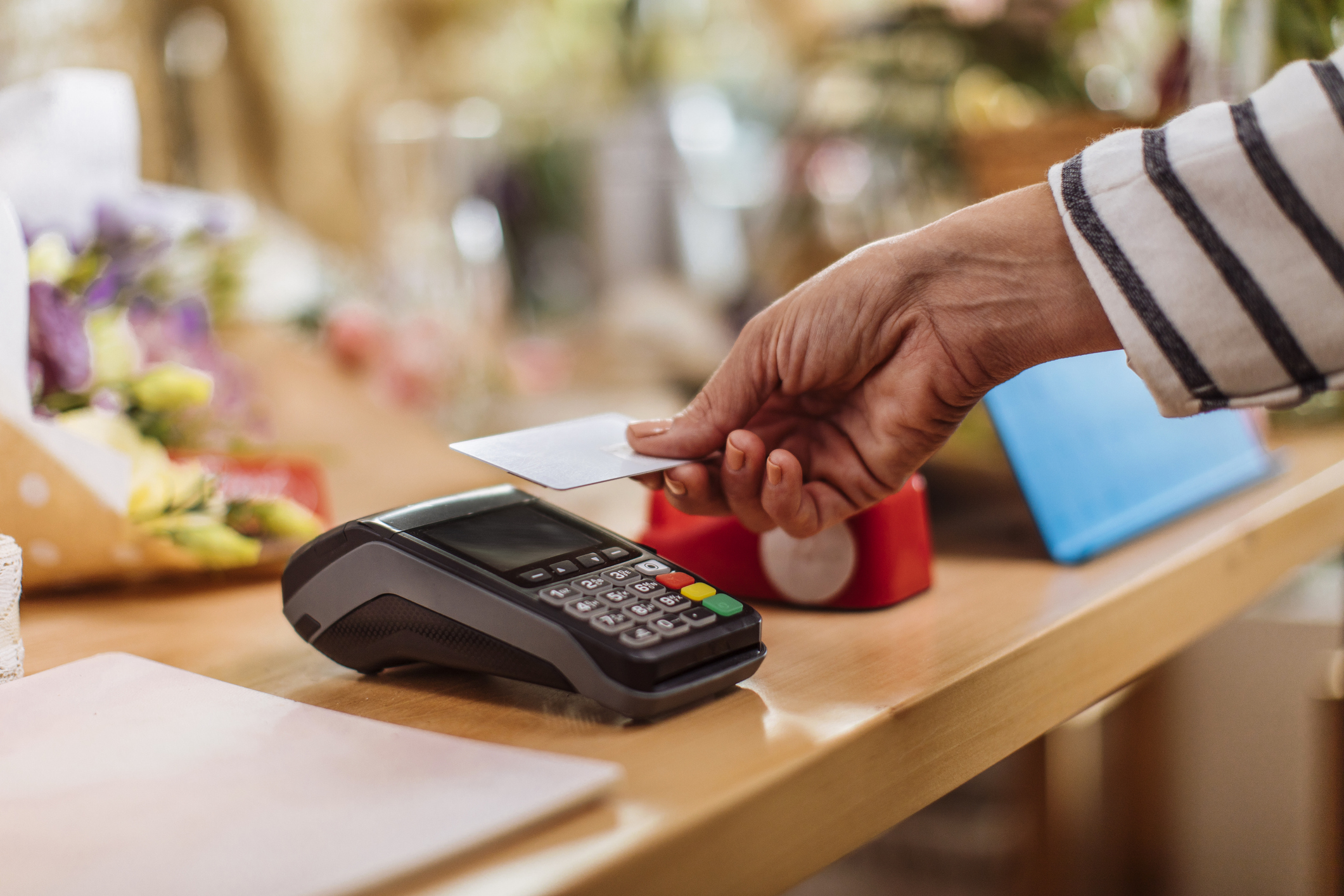
Customers increasingly expect tap-and-go payments. Slow processing times can create bottlenecks during busy periods.
A good café payment machine should:
- Process transactions quickly
- Handle contactless reliably
- Support Apple Pay and Google Pay
- Minimise failed transactions
Fast processing helps staff maintain momentum during peak trading hours.
Portable and flexible design
Many cafés now offer:
- Table service
- Outdoor seating
- Mobile ordering
- Counter collection
Portable card machines allow staff to take payments wherever customers are seated rather than forcing customers to queue again at the till.
This can improve customer experience while helping cafés turn tables more efficiently.
Long battery life
A portable machine is only useful if it lasts throughout service.
Cafés should consider:
- Battery performance during busy days
- Charging times
- Backup charging options
- Reliability during extended use
Constantly swapping or charging devices during service can disrupt operations.
Easy tipping functionality
Tips remain important in hospitality settings.
Some card machines allow cafés to:
- Prompt for optional gratuities
- Add percentage-based tips
- Customise tipping screens
- Separate tips in reporting
This can simplify staff tip management while making tipping more convenient for customers.
Why is portability especially important for cafés?
Portable payment machines have become increasingly valuable in hospitality settings.
Supporting table service
Many independent cafés and coffee shops now combine counter ordering with table service. Portable devices let staff complete the entire customer journey at the table.
This reduces:
- Customer waiting times
- Congestion near the till
- Staff back-and-forth movement
It can also create a more relaxed customer experience.
Improving outdoor service
Outdoor seating areas have become far more common across UK cafés. Portable card machines help staff serve customers without requiring them to return inside to pay.
For cafés with gardens, pavements or courtyard seating, this flexibility can be particularly useful during busy months.
Handling pop-up and event trading
Some cafés also operate at:
- Markets
- Festivals
- Community events
- Mobile coffee setups
Portable payment systems allow businesses to accept payments wherever they trade.
How important is connectivity for café payment systems?
Reliable connectivity is one of the most overlooked aspects of choosing a payment machine.
A device with poor connectivity can lead to:
- Failed payments
- Delayed transactions
- Frozen devices
- Lost sales
Wi-Fi vs SIM card connectivity
Many modern machines use either:
- Wi-Fi
- 4G/5G SIM connectivity
- Dual connectivity systems
SIM-enabled devices are often helpful for cafés because they provide flexibility if Wi-Fi becomes unreliable.
Some cafés also operate from older buildings where internet coverage can vary between seating areas.
Backup connectivity matters
Businesses should also ask what happens if the internet temporarily fails.
Some systems offer:
- Automatic network switching
- Offline transaction capability
- Multi-network SIM support
These features can help minimise disruption during busy periods.
Should cafés integrate card machines with their till systems?
Integration can save significant time for cafés processing large numbers of transactions.
Benefits of integrated systems
When card machines connect directly with a till or POS system, staff do not need to manually enter payment totals.
This can reduce:
- Input errors
- Incorrect charges
- Transaction delays
Integrated systems may also simplify:
- Daily reporting
- Sales tracking
- VAT calculations
- Staff performance monitoring
Are integrations essential for smaller cafés?
Not necessarily.
Some smaller independent cafés may prefer simpler standalone machines, particularly if:
- Transaction volumes are lower
- The business is newly established
- Existing systems already work well
The right approach depends on operational complexity and future growth plans.
What payment methods should cafés support?
Customer payment habits continue to evolve across the UK.
Most cafés should now support:
- Contactless debit cards
- Contactless credit cards
- Apple Pay
- Google Pay
- Chip and PIN
Some cafés may also benefit from:
- QR code payments
- Online ordering payments
- Click-and-collect systems
The easier it is for customers to pay, the less likely businesses are to lose sales due to payment friction.
How should cafés compare pricing and contracts?
Card payment pricing can vary significantly between providers.
Some businesses focus only on headline transaction fees, but there are several other costs worth reviewing carefully.
Questions cafés should ask providers
Before signing up, cafés should ask:
- Are there monthly rental fees?
- Is there a long-term contract?
- Are there cancellation charges?
- What support is included?
- Are software updates included?
- Is next-day settlement available?
Transparent pricing can be particularly important for smaller independent businesses managing tight margins.
Beware of hidden charges
Some providers may charge extra for:
- PCI compliance
- Paper rolls
- Chargebacks
- Additional users
- Software upgrades
Understanding the full cost structure helps avoid surprises later.
Why does customer experience matter so much?
Payment systems are part of the customer experience, even though many businesses overlook them.
Slow or awkward payment processes can leave a negative final impression, even if the food and service were excellent.
Modern customers value:
- Speed
- Simplicity
- Convenience
- Contactless flexibility
Small improvements to payment flow can help cafés encourage repeat business.
What should growing cafés consider for the future?
Many cafés choose systems based only on current needs, but future growth matters too.
A scalable payment setup may help if the business later adds:
- Multiple locations
- More staff
- Delivery services
- Loyalty schemes
- Online ordering
- Expanded seating areas
Switching systems later can be disruptive, so it is often worth considering future flexibility early on.
Frequently Asked Questions
Do cafés need portable card machines?
Not always, but portable devices are particularly useful for cafés offering table service, outdoor seating or event trading.
Can cafés accept tips through card machines?
Yes. Many modern systems include optional tipping prompts and reporting features.
Is Wi-Fi enough for café payment systems?
Wi-Fi may work well in some cafés, but dual Wi-Fi and SIM connectivity can provide more reliability.
How quickly do cafés receive card payments?
Settlement times vary by provider. Some offer next-day payouts, while others may take longer.
Can café card machines integrate with EPOS systems?
Yes. Many payment providers offer integration with popular café and hospitality till systems.
If you are comparing flexible card payment solutions for your café, Gorilla Pay offers transparent support for UK businesses looking for reliable payment systems without unnecessary complications.
Phone: 02392 253322
Email: gorillas@gorillapay.co.uk
Find out more: gorillapay.co.uk