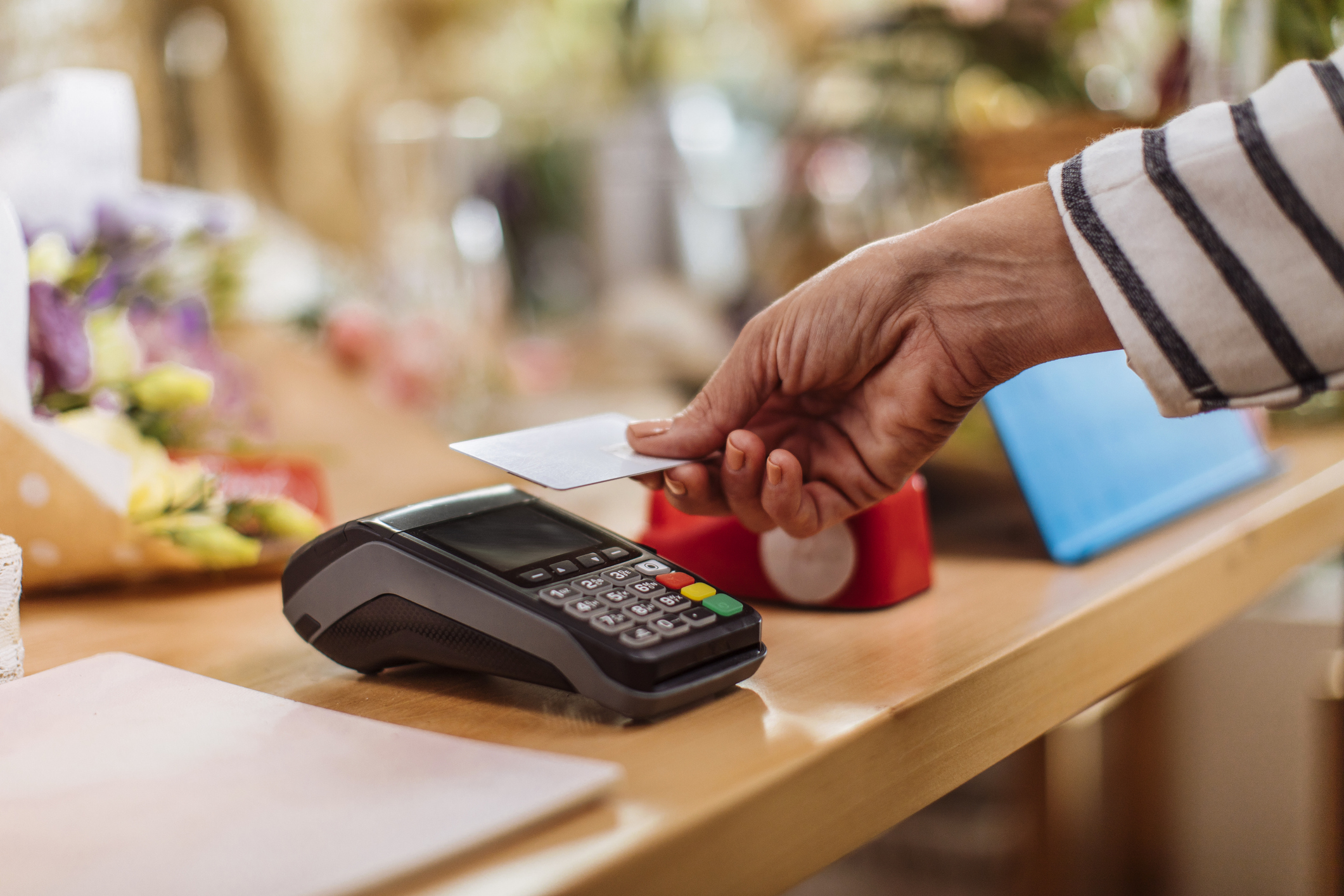

Changing payment providers can be a sensible move for retailers that want lower costs, better support, more flexible contracts or more modern payment technology. However, switching provider should not be rushed. Payment systems sit at the centre of retail operations, so even a small issue can affect sales, queues, reporting and customer experience.
For retailers, the key is to look beyond headline transaction rates. A new provider may appear cheaper at first, but the real value depends on the full package, including card machines, online payment options, settlement times, integrations, support and contract terms.
Before making the change, retailers should take time to understand what they currently have, what is not working and what they need from a new payment solution.
Why do retailers change payment providers?
Retailers change payment providers for several reasons. Some are looking to reduce costs, while others need better technology or more reliable support.
Common reasons include:
- High transaction fees
- Hidden charges
- Poor customer support
- Outdated card machines
- Slow settlement times
- Restrictive contracts
- Lack of ecommerce integration
In some cases, the current provider may have worked well when the business was smaller, but no longer suits the way the retailer operates.
What costs should retailers compare before switching?
Cost is usually one of the main reasons retailers review their payment provider. However, comparing only one fee can be misleading.
Retailers should look at the full cost structure, including:
- Transaction fees
- Monthly terminal rental
- Setup fees
- PCI compliance charges
- Chargeback fees
- Early termination fees
- Software or reporting costs
A provider with a low transaction rate may still be expensive if there are multiple extra charges.
Are there exit fees from your current provider?
Before switching, retailers should check their existing contract carefully.
Some providers charge early termination fees if a business leaves before the end of the agreement. Others may have auto-renewal clauses that extend the contract unless cancelled within a specific notice period.
Retailers should check:
- Contract end date
- Notice period
- Cancellation charges
- Equipment return requirements
- Auto-renewal terms
Understanding these details helps avoid unexpected costs.
How could switching affect customer experience?
The payment experience is a key part of retail service. If the new system is slower, less reliable or harder for staff to use, customers may notice quickly.
Retailers should consider whether the new provider can support:
- Fast contactless payments
- Apple Pay and Google Pay
- Chip and PIN
- Refunds
- Receipts
- Multiple tills or terminals
For busy retail environments, transaction speed and reliability are essential.
Will the new system work with your existing till or EPOS?
Integration is one of the most important checks before switching payment providers.
Many retailers rely on EPOS systems to manage:
- Sales
- Stock
- Staff activity
- Reporting
- Customer data
If the payment system does not integrate properly, staff may need to enter transaction totals manually. This can increase the risk of errors and slow down service.
Before switching, retailers should ask whether the new provider integrates with their current EPOS system and whether setup support is included.
What about ecommerce and online payments?
Retail is increasingly connected across physical and online channels. Even smaller retailers may sell through websites, social media, marketplaces or click-and-collect services.
A new payment provider should be able to support the way the business sells now and may sell in future.
Retailers should consider whether they need:
- Online payment gateway support
- Payment links
- Ecommerce platform integration
- Shopify or WooCommerce compatibility
- Mobile-friendly checkout options
Choosing a provider that can support both in-store and online payments can make future growth easier.
How quickly will funds be settled?
Settlement speed is another important factor.
Settlement refers to how quickly card payment funds reach the business bank account. For retailers, reliable cash flow is vital because they often need to pay suppliers, staff and operating costs regularly.
Retailers should ask:
- Are funds settled the next day?
- Are weekend transactions settled differently?
- Are there delays for online payments?
- Are settlement reports easy to access?
A slightly cheaper provider may not be the best choice if funds take longer to arrive.
How reliable is the hardware?
Retailers should look carefully at the card machines themselves.
Important hardware considerations include:
- Battery life
- Screen size
- Ease of use
- Durability
- Receipt printing
- Connectivity options
- Replacement process
For shops with fixed counters, countertop terminals may be suitable. For retailers attending markets, events or pop-up locations, portable or mobile terminals may be more useful.
What connectivity options are available?
Reliable connectivity is essential for retail payments.
Many payment terminals use Wi-Fi, SIM connectivity or both. Dual connectivity can be useful because it gives the business a backup option if one connection becomes unreliable.
Retailers should think about:
- Wi-Fi strength in-store
- Mobile signal quality
- Backup connectivity
- Outdoor or event trading requirements
A payment machine that struggles to connect can quickly cause queues and lost sales.
How good is customer support?
Payment problems can affect revenue immediately, so support should be taken seriously.
Retailers should ask potential providers:
- Is support available by phone?
- What are the support hours?
- Is UK-based support available?
- How quickly are faults resolved?
- Are replacement terminals available?
Strong support can make a major difference when something goes wrong during trading hours.
How should retailers manage the switch?
A smooth changeover needs planning. Retailers should avoid cancelling their existing provider before the new system is fully ready to use.
A sensible switching process may include:
- Review the current contract.
- Confirm cancellation terms.
- Compare full costs and features.
- Check EPOS and ecommerce integrations.
- Set up and test the new system.
- Train staff before launch.
- Keep backup payment options available during the changeover.
Testing is especially important. Retailers should check payments, refunds, receipts and reports before relying fully on the new system.
What should retailers avoid when switching?
Retailers should avoid choosing a provider based only on a low advertised rate.
They should also avoid signing before they fully understand:
- Contract length
- Total fees
- Support arrangements
- Settlement times
- Integration limits
- Hardware replacement process
A payment provider should make things easier, not create new complications.
Frequently Asked Questions
Is it difficult for retailers to change payment providers?
It does not have to be difficult, but it should be planned carefully to avoid disruption to sales and reporting.
Should retailers switch to get lower transaction fees?
Lower fees can be a good reason to switch, but retailers should compare the full cost rather than focusing only on transaction rates.
Can changing provider affect EPOS systems?
Yes. Retailers should check compatibility before switching, especially if payments are currently integrated with tills or stock systems.
Should retailers keep their old system during the switch?
It can be sensible to keep the old system active until the new provider is fully tested and working.
What is the biggest risk when changing payment providers?
The biggest risk is disruption to payments, which can affect sales, queues and customer experience.
Changing payment providers can help retailers reduce costs, improve flexibility and modernise their payment setup. If your retail business is reviewing its current solution, Gorilla Pay offers transparent payment support for UK businesses looking for practical, flexible card payment options.
Phone: 02392 253322
Email: gorillas@gorillapay.co.uk
Find out more: gorillapay.co.uk