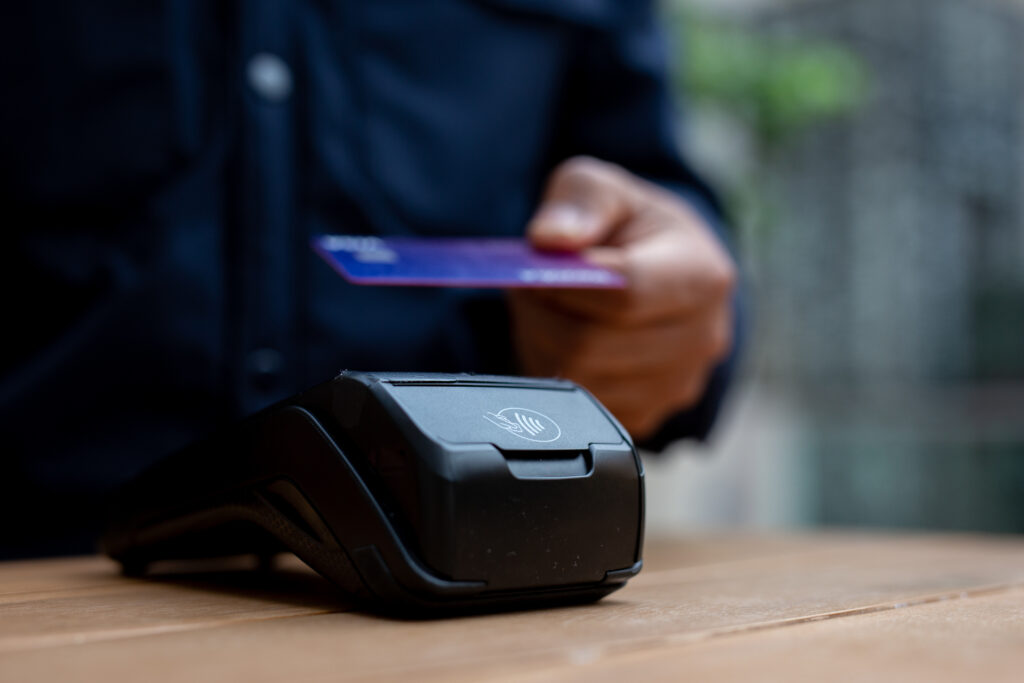
Deciding whether to rent or buy a card payment machine is an important choice for any small business that accepts payments in person. The right arrangement can affect your monthly costs, access to technical support, ability to upgrade equipment and overall payment flexibility.
Buying a terminal may initially appear to be the simplest option. You pay for the equipment and own it outright. Renting, however, can provide ongoing support, lower upfront costs and easier access to replacement equipment.
Neither option is automatically right for every business. A busy retailer, a mobile tradesperson and a seasonal café may all have very different requirements. The best choice depends on how frequently you accept card payments, how much certainty you need over monthly costs and what level of support you expect from your payment provider.
What Is the Difference Between Renting and Buying a Card Machine?
The main difference is ownership.
When you buy a card payment machine, you purchase the physical terminal. Depending on the supplier and payment arrangement, you may still need a separate merchant account, transaction processing agreement, connectivity plan or payment gateway.
When you rent a card machine, you normally pay an agreed monthly fee to use the terminal. The machine remains the property of the payment provider or rental company. Maintenance, replacements or software updates may also be included, although the exact terms vary between providers.
It is important to separate the terminal itself from the payment processing service. Owning a card machine does not necessarily mean you can process payments without further costs. Businesses may still need to pay:
- Transaction fees
- Authorisation charges
- Merchant service fees
- Connectivity or SIM charges
- Payment gateway fees
- Refund or chargeback fees
- Minimum monthly service charges
The headline price of the machine therefore tells only part of the story. Small businesses need to compare the total cost of accepting payments, rather than focusing solely on whether they own or rent the equipment.
What Are the Main Advantages of Renting a Card Machine?
Renting can be attractive to businesses that want to avoid a large upfront purchase.
Instead of paying the full price of a terminal immediately, the cost is spread across regular monthly payments. This can make budgeting easier, particularly for start-ups and small businesses managing limited cash flow.
Lower upfront costs
A rented terminal usually requires less initial expenditure than buying one outright. This allows a business to start accepting card payments without using a significant portion of its available working capital.
For a new café, shop or mobile service provider, that money may be better used for stock, signage, marketing, insurance or other essential costs.
Technical support may be included
One of the most valuable benefits of renting can be access to ongoing technical support.
If a purchased machine stops working, the owner may need to arrange and pay for repairs or replacement equipment. A rental agreement may include assistance, troubleshooting and replacement terminals, depending on the provider’s terms.
This can be particularly important for businesses that depend heavily on card payments. A terminal failure during a busy service period can result in lost sales, longer queues and frustrated customers.
Easier access to updated equipment
Payment technology continues to develop. Modern terminals may support contactless payments, digital wallets, integrated receipts, mobile connectivity and smart point-of-sale features.
A rental arrangement may make it easier to replace or upgrade an older machine. Businesses should still check whether upgrades are included, optional or subject to a new agreement.
More predictable monthly budgeting
Some small businesses prefer regular costs because they are easier to forecast. A clearly priced rental package can help a business estimate its monthly payment expenses more accurately.
However, predictable does not always mean inexpensive. Businesses should calculate how much they will pay over the full rental period and compare that with the cost of purchasing a machine.
What Are the Potential Disadvantages of Renting?
Renting can provide flexibility, but not every agreement is equally flexible.
The main risk is signing a contract without fully understanding its length, cancellation terms or additional charges.
The total cost may be higher
A relatively small monthly rental fee can add up over time. A business that uses the same terminal for several years may pay more than it would have spent buying the equipment.
The true comparison should include the value of any support, maintenance or replacement service included in the rental arrangement. Paying more overall may still be worthwhile if it reduces downtime and avoids unexpected repair costs.
Some agreements have long contract periods
Traditional payment providers may tie terminal rental to lengthy contracts. Businesses should look carefully at:
- The minimum contract term
- The notice period
- Early cancellation charges
- Automatic renewal clauses
- Terminal return requirements
- Charges for damaged or missing equipment
A low advertised monthly price may be less attractive when it comes with a long commitment.
Gorilla Pay focuses on transparent pricing and 30-day rolling contracts, helping businesses avoid being tied into unsuitable long-term arrangements.
You do not own the equipment
At the end of the rental period, the terminal may need to be returned. Monthly payments usually do not contribute towards ownership unless the agreement is specifically structured as a lease-to-own arrangement.
This may matter to businesses that prefer to own their equipment and minimise recurring fixed costs.
What Are the Advantages of Buying a Card Payment Machine?
Buying can work well for established businesses that want ownership and expect to use the same terminal for a long period.
You own the terminal
Once the machine has been purchased, it becomes a business asset. There is no monthly terminal rental fee, although payment processing and service charges may still apply.
Ownership can be appealing to businesses that prefer to make a one-off investment rather than commit to recurring equipment costs.
It may cost less over several years
A well-maintained terminal that remains compatible with the payment provider could cost less over its usable life than a long rental agreement.
For example, a retailer expecting to use a terminal every day for several years may decide that the upfront investment offers better long-term value.
However, this only applies when the machine remains reliable, secure and supported.
More control over the equipment
Owning the machine may provide greater control over how long it is used and when it is replaced. The business is not dependent on the end date or return conditions of a rental agreement.
This does not necessarily provide complete freedom, however. Some machines are designed to work only with particular processors or merchant service providers.
Before purchasing, businesses should confirm whether the terminal is locked to a provider and whether it can be reconfigured if they decide to change payment services.
What Are the Risks of Buying a Card Machine?
The main concern is that buying transfers more responsibility to the business.
Repairs and replacements may not be included
If the machine develops a fault after its warranty expires, the business may need to pay for repair or replacement.
The financial cost is one issue, but downtime can be more damaging. A business without a working card terminal may lose sales while waiting for new equipment.
It is worth asking whether the supplier provides a warranty, replacement service or technical helpline for purchased terminals.
Technology can become outdated
Payment terminals need to meet current security, connectivity and payment acceptance requirements. An older machine may eventually stop receiving updates or supporting newer payment methods.
A low-cost second-hand terminal may therefore prove poor value if it cannot be securely connected to a suitable payment processing service.
Businesses should avoid buying equipment based on price alone. The terminal needs to remain compatible with current payment networks, software and security requirements.
Upfront costs are higher
Purchasing one terminal may be manageable, but buying several machines can create a significant initial cost.
A hospitality venue, retail shop or growing business may need terminals at multiple counters or for several members of staff. Renting can spread this cost and make it easier to expand gradually.
Is Renting or Buying Cheaper for a Small Business?
The answer depends on how the machine will be used and what each package includes.
Buying may be cheaper over the long term when:
- The terminal has a long usable life
- The business can afford the upfront cost
- Repair and replacement costs are low
- The machine is not locked to an unsuitable processor
- The business does not need frequent upgrades
Renting may offer better value when:
- The business wants to reduce upfront expenditure
- Technical support is important
- Replacement equipment is included
- The business needs flexibility
- Payment requirements may change
- Several terminals are required
The lowest monthly price is not always the cheapest overall option. A provider may advertise inexpensive terminal rental while charging higher transaction fees or imposing minimum monthly processing charges.
Businesses should request a complete breakdown covering the terminal, payment processing, support, contract duration and cancellation conditions.
What Costs Should You Compare?
A fair comparison needs to cover more than the purchase price or monthly rental.
Equipment costs
Start with the cost of the physical terminal. For rented machines, calculate the likely total over the expected rental period. For purchased machines, include delivery, setup, accessories and any extended warranty.
Transaction fees
Transaction charges can have a much greater financial impact than the terminal cost, particularly for businesses with a high sales volume.
Check whether different rates apply to:
- Consumer debit cards
- Consumer credit cards
- Corporate cards
- International cards
- Online or telephone payments
- American Express transactions
Rates may be fixed, percentage-based or a combination of both.
Additional monthly charges
Some providers charge separate fees for merchant services, statements, compliance support, connectivity or payment gateways.
Ask for an itemised quotation so that these costs can be compared accurately.
Cancellation and exit fees
The cost of leaving an unsuitable provider can be substantial. Long notice periods and early termination fees can reduce the apparent value of a low monthly price.
A flexible agreement may be more valuable than a slightly lower headline cost, especially for a new business whose payment needs are still developing.
Support and replacement cover
Consider what would happen if the machine stopped working on your busiest day.
A package that includes responsive support and replacement equipment may protect far more revenue than the small monthly saving offered by a limited service.
Which Option Is Better for Start-Ups?
Many start-ups benefit from renting because it reduces the amount of money required upfront.
A new business may not yet know:
- Its average monthly card turnover
- How many terminals it will need
- Whether most payments will be taken at a counter or on the move
- Which payment methods customers will prefer
- How quickly the business will grow
A flexible rental arrangement allows the business to test its requirements without making a larger equipment purchase.
However, start-ups should be cautious about long contracts. A business model can change quickly during the first year. A machine chosen for a market stall may not be suitable if the business later opens a permanent shop or begins taking payments online.
A rolling arrangement can provide greater freedom to adjust the setup as the business develops.
What Should Established Businesses Consider?
An established business may have enough payment data to compare the options more precisely.
Review your transaction history, terminal usage and support requirements. Consider whether your current machine causes delays, loses connection or lacks features that could improve the customer experience.
Businesses should also assess whether they are likely to need additional terminals. A restaurant adding outdoor seating, a retailer opening another till or a trades company taking payments through several employees may require a scalable arrangement.
Ownership may be cost-effective when payment needs are stable. Renting may still be preferable when uptime, support and equipment replacement are more important than eliminating a monthly fee.
How Does Business Type Affect the Decision?
The right choice can vary considerably between industries.
Retail shops
Retailers often need reliable countertop terminals capable of handling frequent transactions. A purchased terminal may offer long-term value, but rapid replacement support can be essential if the machine fails.
Cafés and hospitality venues
Hospitality businesses may need portable machines that can be carried to tables, outdoor areas or different service points. Renting may make it easier to add terminals during busy periods or upgrade equipment as the venue grows.
Mobile businesses and tradespeople
Mobile businesses need dependable connectivity and portable equipment. Support, battery life and access to replacement machines may be more important than ownership.
Seasonal businesses
A seasonal business should be particularly careful about year-round rental costs and minimum monthly charges. Flexible contracts can help prevent the business from paying for equipment that is rarely used outside its trading season.
Professional services
Consultants, clinics and other professional service providers may process fewer in-person transactions. Buying may be practical if the equipment is used infrequently, but a simple rental package may reduce setup and maintenance responsibilities.
What Contract Questions Should You Ask?
Before agreeing to rent or buy a machine, ask the provider for clear answers to the following questions:
- How long is the agreement?
- What notice is required to cancel?
- Are there early termination charges?
- Who owns the terminal?
- What happens if the machine fails?
- Is replacement equipment included?
- Are software and security updates provided?
- Are there minimum monthly transaction charges?
- Can the machine accept contactless and mobile wallet payments?
- Is the terminal tied to one payment processor?
- What support is available outside standard office hours?
- Are any fees likely to increase during the agreement?
The provider should be able to explain the full arrangement without relying on vague wording or hidden conditions.
Should You Choose Based on Price Alone?
Price matters, but it should not be the only factor.
A card machine is an important part of the customer experience. Customers expect payments to be quick, simple and reliable. A machine that frequently disconnects, processes transactions slowly or fails during busy periods can harm both sales and customer confidence.
The cheapest terminal may also come with limited support, higher processing charges or a restrictive contract.
A more useful comparison should consider:
- Total ongoing cost
- Payment speed
- Connection reliability
- Portability
- Security
- Ease of use
- Contract flexibility
- Customer support
- Replacement arrangements
- Compatibility with your business systems
The best option is the one that supports the way your business actually operates.
How Can Gorilla Pay Help?
Gorilla Pay provides card payment machines and payment solutions designed around the needs of UK businesses.
Rather than pushing every customer towards the same terminal or contract, the aim is to help businesses choose equipment and payment arrangements that reflect how they trade.
You can explore the available card payment services, compare payment machines or contact the team to discuss your transaction volumes, trading environment and support requirements.
Frequently Asked Questions
Can I buy a card machine and use any payment processor?
Not always. Some terminals are configured or locked to a particular payment processor. Check compatibility before buying, especially if you may change providers later.
Does buying a card machine remove transaction fees?
No. Owning the terminal only removes the need to rent that piece of equipment. You will usually still pay transaction and payment processing charges.
What happens if a rented card machine breaks?
This depends on the provider and rental agreement. Some packages include technical assistance and replacement equipment. Check the support terms before signing.
Can I rent a card machine on a short-term basis?
Short-term or rolling arrangements may be available, although some providers require lengthy contracts. Gorilla Pay offers 30-day rolling contracts for greater flexibility.
Is a second-hand card machine a good option?
It may appear economical, but compatibility, security updates and processor restrictions can create problems. Confirm that the terminal is supported and suitable for your payment setup before purchasing it.
How many card machines does a small business need?
This depends on transaction volumes, layout and how customers are served. A small counter-based business may need one machine, while a busy hospitality venue or retailer may benefit from several terminals.
Choosing the Right Option for Your Business
Renting is often suitable for small businesses that value lower upfront costs, support, replacement cover and the ability to change their setup. Buying may offer better long-term value for businesses with stable requirements that are comfortable managing equipment maintenance and upgrades.
The most important step is to compare the full payment package rather than focusing only on the terminal price.
Look at transaction fees, monthly charges, support, contract terms, cancellation conditions and equipment compatibility. A transparent provider should make it easy to understand what you will pay and what is included.
For practical advice on choosing a card payment machine without hidden fees or unnecessary long-term commitments, speak to Gorilla Pay.
Phone: 02392 253322
Email: gorillas@gorillapay.co.uk
Find out more: https://gorillapay.co.uk