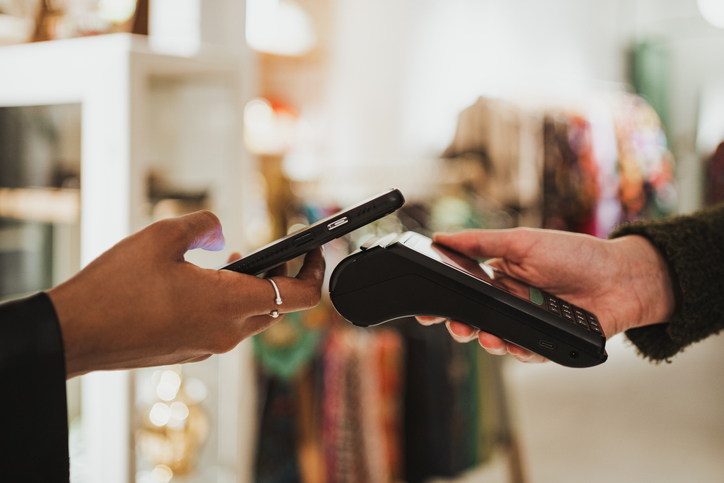
Wireless card payment machines can make a significant difference to businesses that operate away from traditional shop counters. Whether you are a tradesperson visiting customers, a market trader attending weekend events or a mobile service provider working across several locations, the ability to accept card payments wherever you work can make transactions more convenient.
However, a wireless terminal is not automatically the best solution for every business. The value depends on how frequently you take payments, where you operate, the reliability of your internet connection and the ongoing costs involved.
For businesses regularly collecting payments in person, wireless card machines are often worthwhile because they remove the need for a fixed payment location. For businesses accepting only occasional payments, a simpler or lower-cost arrangement may be sufficient.
Understanding the practical advantages and limitations will help you decide whether a wireless card machine is worth introducing.
How do wireless card payment machines work?
A wireless card payment machine processes transactions without requiring a permanent wired connection to a payment network.
Instead, the terminal connects using a supported wireless connection, which may include mobile data, Wi-Fi or a connection through another compatible device.
When a customer presents their card or mobile wallet, the terminal captures the payment information securely and communicates with the payment processing systems responsible for authorising the transaction.
Once the payment has been approved, the terminal displays confirmation, allowing the business to complete the sale.
The important distinction is that wireless does not mean the machine can necessarily process payments without a connection.
Most transactions still require communication with the payment provider. Some systems offer offline transaction capabilities, but these depend on the provider and configuration and can introduce additional risks.
What is the difference between Wi-Fi and 4G terminals?
A Wi-Fi card machine uses an available wireless internet network. This can work well in premises with a dependable broadband connection, such as cafés, salons or offices.
A 4G card terminal connects through a mobile data network, making it particularly useful for businesses working in different locations.
Consider a mobile mechanic visiting customers across Hampshire. A terminal relying entirely on Wi-Fi would be inconvenient because the mechanic cannot assume every customer will provide internet access.
A terminal with mobile data connectivity offers a more practical way to collect payment after completing work.
However, mobile coverage varies between locations. A 4G terminal is only as dependable as the network connection available at the time.
For businesses working across multiple locations, checking mobile signal coverage should be part of the purchasing decision.
Why are wireless card machines useful for mobile businesses?
The main advantage is straightforward: customers can pay where the service is delivered.
However, that convenience creates several practical benefits.
Customers can pay immediately after receiving a service
Consider a domestic cleaning business that previously relied on customers making bank transfers after an appointment.
Although this arrangement may work, it creates additional administration. The business needs to issue payment instructions, monitor incoming transactions and potentially follow up with customers who forget to pay.
With a portable card machine, payment can be requested immediately after the work has been completed.
The customer receives confirmation, and the business has an authorised transaction rather than an outstanding payment request.
This does not necessarily mean the funds reach the business bank account immediately. Settlement times depend on the payment provider and banking arrangements.
Nevertheless, accepting payment at the point of service can reduce the amount of time spent chasing outstanding balances.
Businesses can operate at different locations
A fixed card terminal makes sense when customers always pay at the same counter.
For mobile businesses, this limitation can become inconvenient.
Wireless terminals are particularly useful for:
- Market traders attending different events.
- Mobile hairdressers and beauty professionals.
- Electricians, plumbers and other tradespeople.
- Food vans and temporary catering businesses.
- Delivery services collecting payments in person.
- Pop-up shops and seasonal retailers.
Each business has slightly different requirements, but the underlying benefit is the same: the payment process moves with the business.
For example, a market trader might operate at a village market on Saturday and a larger outdoor event on Sunday.
A compact terminal can travel between both locations without requiring a separate payment setup.
This flexibility can be particularly valuable for businesses that regularly change where they trade.
Do wireless card machines help businesses avoid missed sales?
They can, particularly when customers prefer to pay by card or mobile wallet rather than cash.
Imagine a customer visiting a market stall and finding a product they want to purchase. They have their phone but no cash.
If the trader cannot accept a suitable electronic payment, the customer might need to find a cash machine, arrange a bank transfer or abandon the purchase altogether.
A wireless card terminal provides another way to complete the transaction immediately.
However, it would be misleading to suggest that every business introducing card payments will automatically increase sales.
The commercial benefit depends on customer preferences, transaction values and how frequently payment limitations prevent purchases.
A business already receiving virtually all payments through bank transfers may see less benefit than a trader who regularly serves customers expecting contactless payments.
The most useful question is not simply whether wireless payment technology is convenient.
It is whether the convenience addresses a genuine problem in the business’s existing payment process.
What happens when wireless card machines lose connection?
Connectivity is one of the most important considerations for mobile businesses.
A wireless terminal may be highly convenient, but it cannot guarantee uninterrupted payments in every location.
A tradesperson working in a rural property, for example, may encounter weak mobile coverage.
Likewise, a food trader attending a crowded festival might experience reduced network performance when large numbers of visitors are using nearby mobile infrastructure.
If the terminal cannot communicate with the payment processor, transactions may fail or remain incomplete.
How can businesses reduce connectivity problems?
Businesses can reduce the risk by preparing before arriving at a location.
Where possible, check the mobile coverage offered by the terminal’s network provider and establish whether alternative connections are supported.
For businesses attending regular events, it may be worth testing connectivity before trading begins.
A sensible preparation routine includes:
- Checking the terminal’s network connection.
- Ensuring the machine has sufficient battery charge.
- Completing an appropriate test transaction where possible.
- Keeping charging equipment accessible.
- Having an alternative payment method available.
A backup payment option might involve a bank transfer or a securely configured alternative payment facility, depending on what the business supports.
Businesses should not assume they can record customers’ card details and process payments later. Handling card information inappropriately can create serious security and compliance risks.
The better approach is to establish an approved backup payment process before problems occur.
How important is battery life for mobile card machines?
A wireless terminal is only useful while it has sufficient power to operate.
For businesses working short appointments, battery life might be relatively easy to manage.
For market traders attending all-day events, however, an unreliable battery can become a significant operational problem.
Imagine a trader arriving at an outdoor market at 7 am and remaining open until late afternoon.
The machine may be used frequently, particularly during busy periods. Screen brightness, network activity and transaction volume can all affect power consumption.
Rather than relying entirely on advertised battery capacity, businesses should consider their actual working patterns.
A machine that is sufficient for a mobile hairdresser completing five appointments may not be appropriate for a busy food stall handling hundreds of transactions.
Choosing a terminal designed for mobile trading
Gorilla Pay supplies the PAX A77 MiniPoS+, a compact terminal designed for businesses that need portable payment capabilities.
According to Gorilla Pay’s published product information, the device weighs approximately 240g and includes a 5,150mAh battery.
It also supports 4G, Wi-Fi and Bluetooth connectivity, making it suitable for businesses that move between different working environments.
The combination of a compact design and multiple connectivity options makes the terminal particularly relevant to tradespeople, delivery businesses and pop-up retailers.
However, battery capacity alone does not establish how long a terminal will operate during every working day.
Businesses should consider expected usage, charging opportunities and the availability of compatible accessories before selecting a machine.
Gorilla Pay also offers the PAX A920 Pro, which combines portable payment capabilities with a built-in receipt printer. This may suit businesses that need to provide printed receipts without carrying a separate device.
Gorilla Pay
+1
Are wireless card payment machines expensive?
The overall cost depends on more than the price of the terminal itself.
Some payment providers charge for equipment outright, while others use rental arrangements, monthly subscriptions or longer-term agreements.
Businesses may also pay transaction processing fees, which can vary according to the card type, payment method and provider’s charging structure.
For a mobile business, the important figure is the total cost of accepting payments over a realistic period.
Consider two hypothetical arrangements:
| Cost | Provider A | Provider B |
|---|---|---|
| Monthly fixed charge | £10 | £25 |
| Transaction fee | 1.75% | 1.2% |
| Monthly card turnover | £5,000 | £5,000 |
| Estimated monthly cost | £97.50 | £85 |
These figures are illustrative, not actual provider quotations, and exclude any additional charges.
Although Provider A has the lower fixed charge, Provider B costs less at the example transaction volume.
This illustrates why comparing monthly fees alone can be misleading.
Businesses should also examine equipment costs, cancellation conditions, connectivity arrangements and any additional charges.
Why contract flexibility matters for mobile businesses
Some mobile businesses operate throughout the year, while others experience significant seasonal fluctuations.
A market trader who attends summer events, for example, may process substantial card turnover between May and September but trade considerably less during winter.
A long-term agreement with unavoidable fixed costs could become less attractive during quieter months.
Gorilla Pay offers card payment machines through 30-day rolling agreements rather than lengthy equipment leases. Its published service information also describes a seven-day cancellation notice period, subject to the applicable agreement.
This flexibility may appeal to mobile businesses that want to avoid being committed to equipment for several years.
However, businesses should still review the complete pricing structure, including membership and transaction charges, before making a decision.
Gorilla Pay
When might a wireless card machine not be worth it?
Despite their advantages, wireless terminals are not essential for every business.
A company that operates entirely online, for example, may be better served by an online payment gateway.
Similarly, a consultant who rarely meets clients in person and already collects payments efficiently through invoices may have little reason to carry a dedicated terminal.
Wireless machines may also be less suitable where mobile coverage is consistently unreliable and no alternative connection is available.
The key is to match payment technology to the way the business actually operates.
A business should assess whether a wireless terminal will reduce administrative work, make payment collection easier or allow it to serve customers who would otherwise struggle to pay.
If none of these benefits is relevant, the ongoing cost may be difficult to justify.
How can you decide whether a wireless card machine is worthwhile?
A practical decision should begin with the business’s payment patterns rather than a particular device.
Start by estimating how many payments you collect face to face each month.
Then consider how customers currently pay and whether that process creates inconvenience, delays or missed opportunities.
For example, a mobile dog groomer completing six appointments a day may benefit from collecting payment immediately after each appointment.
A specialist contractor carrying out one large project per month might find invoicing and bank transfer arrangements perfectly adequate.
The difference is not simply the value of each transaction. It is how the payment method fits into the customer experience and administrative workload.
Businesses should consider five factors:
- Transaction frequency: How often are customers paying in person?
- Working locations: Is reliable Wi-Fi or mobile coverage available?
- Payment preferences: Do customers regularly request card or contactless payment?
- Operating costs: Are the expected benefits worth the monthly and transaction charges?
- Practical requirements: Does the terminal need a printer, long battery life or additional functionality?
Evaluating these factors can help businesses avoid paying for features they do not need while identifying capabilities that genuinely improve day-to-day operations.
For businesses reviewing suitable equipment, Gorilla Pay’s card payment machines include portable options designed for different trading environments.
Frequently Asked Questions
Do wireless card machines need a SIM card?
Some wireless terminals use a SIM or eSIM to connect to mobile data networks. Others rely on Wi-Fi or a connection through another device. The requirements depend on the machine and payment provider.
Can wireless card machines accept Apple Pay and Google Pay?
Many modern wireless terminals support contactless mobile wallet payments, including Apple Pay and Google Pay. Compatibility should be confirmed for the chosen terminal and processing arrangement.
Can a wireless card machine be used outdoors?
Yes, provided the device is suitable for the conditions and has a reliable connection. However, standard portable terminals are not necessarily waterproof or designed for prolonged exposure to rain, dust or extreme temperatures.
Outdoor traders should protect equipment from unsuitable weather conditions.
Do wireless terminals provide receipts?
Many models support printed or digital receipts. For example, Gorilla Pay’s PAX A77 MiniPoS+ can provide digital receipts and supports a compatible external printer, while the PAX A920 Pro has an integrated receipt printer.
Are wireless card machines secure?
Modern wireless payment terminals use security measures intended to protect cardholder information. The PCI Security Standards Council publishes standards covering payment terminal security and mobile payment acceptance. Businesses should use properly supported equipment and follow the payment provider’s security guidance.
PCI Security Standards Council
+1
Are wireless card payment machines worth choosing?
For many mobile businesses, the ability to accept card payments wherever customers are served is a practical advantage.
Wireless terminals can make payment collection more convenient, reduce reliance on cash and help businesses avoid unnecessary delays between completing work and requesting payment.
However, the value depends on transaction frequency, connectivity, equipment suitability and the full cost of the payment arrangement.
A tradesperson visiting several customers each day will have different requirements from a seasonal market trader or an office-based professional.
The best choice is therefore a terminal that supports the business’s actual working conditions without introducing unnecessary costs or contractual commitments.
Gorilla Pay provides portable card payment machines for UK businesses, including the compact PAX A77 MiniPoS+ and PAX A920 Pro. With transparent pricing, flexible rolling agreements and UK-based support, businesses can explore a payment setup that suits their working patterns.
For help finding a suitable solution, contact Gorilla Pay.
Phone: 02392 253322 Email: gorillas@gorillapay.co.uk Find out more: https://gorillapay.co.uk