Payment habits across the UK retail sector have changed significantly over recent years. Customers now expect fast, flexible and convenient ways to pay, whether they are shopping in-store, online or through mobile devices.
For retailers, understanding which payment methods customers prefer is important not only for customer satisfaction but also for operational efficiency and sales performance. Businesses that fail to support popular payment methods risk creating friction during checkout and potentially losing customers to competitors with more convenient payment experiences.
While traditional debit and credit card payments remain dominant, newer technologies such as digital wallets and contactless payments are now firmly part of everyday retail behaviour.
Why have UK payment habits changed so much?
Several factors have influenced changes in UK retail payments.
These include:
- Growth in contactless technology
- Increased smartphone usage
- Ecommerce expansion
- Faster payment infrastructure
- Changing customer expectations
The COVID-19 pandemic also accelerated the move towards touch-free and cashless transactions across many retail environments.
Today, convenience is often one of the biggest drivers behind customer payment preferences.
Why are contactless payments so popular?
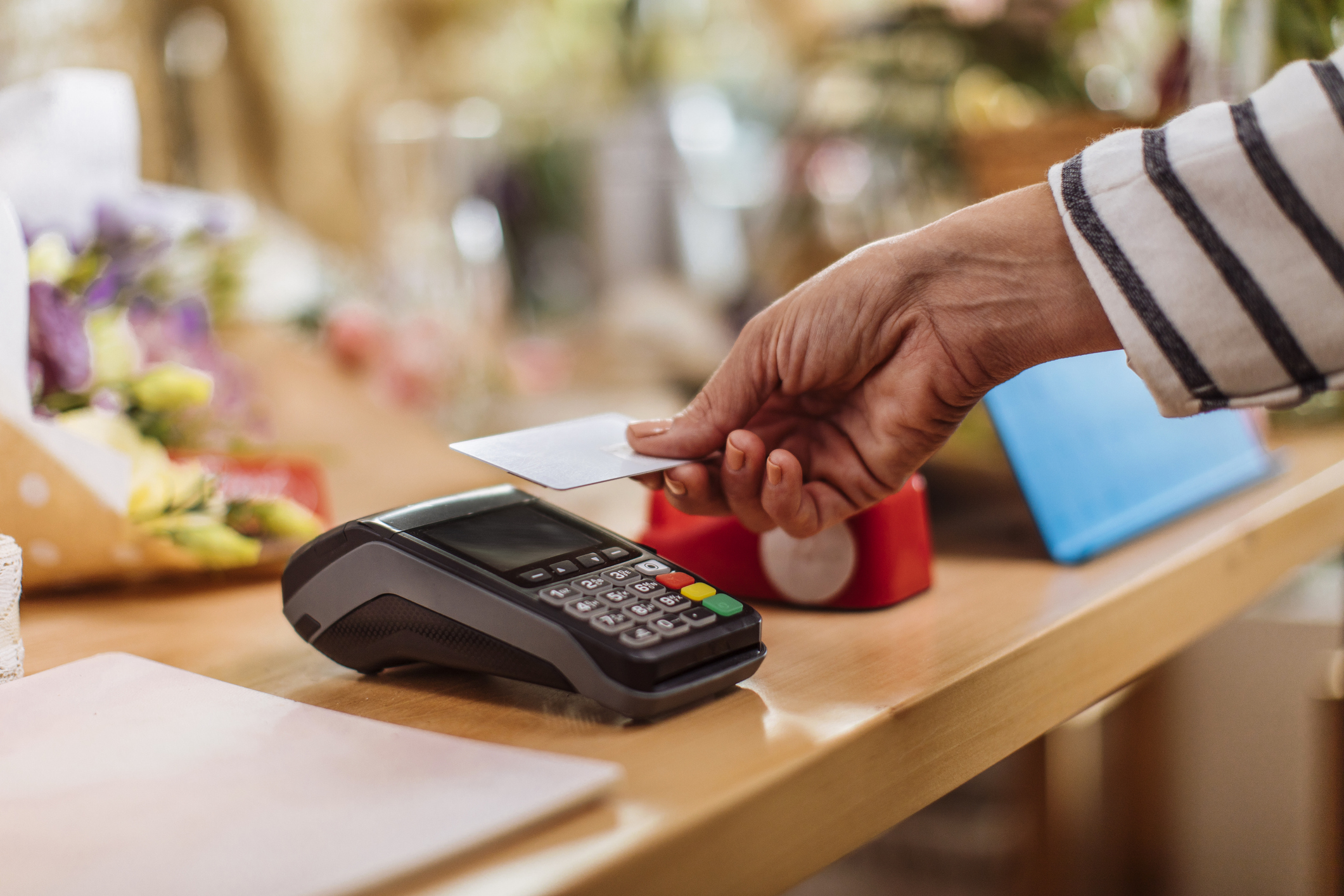
Contactless card payments have become one of the most widely used payment methods in UK retail.
Customers value contactless payments because they are:
- Quick
- Convenient
- Familiar
- Easy to use
For retailers, contactless payments also help speed up transactions and reduce queue times.
Faster checkout experiences
Contactless payments allow customers to complete purchases in seconds, particularly for lower-value transactions.
This is especially useful in:
- Convenience stores
- Cafés
- Fast food venues
- Supermarkets
- High-footfall retail environments
Shorter transaction times can improve customer flow during busy trading periods.
Reduced friction at checkout
Customers increasingly expect to tap rather than insert cards or handle cash.
If businesses only offer limited payment options, some customers may feel frustrated or inconvenienced.
Are debit cards still the most common payment method?
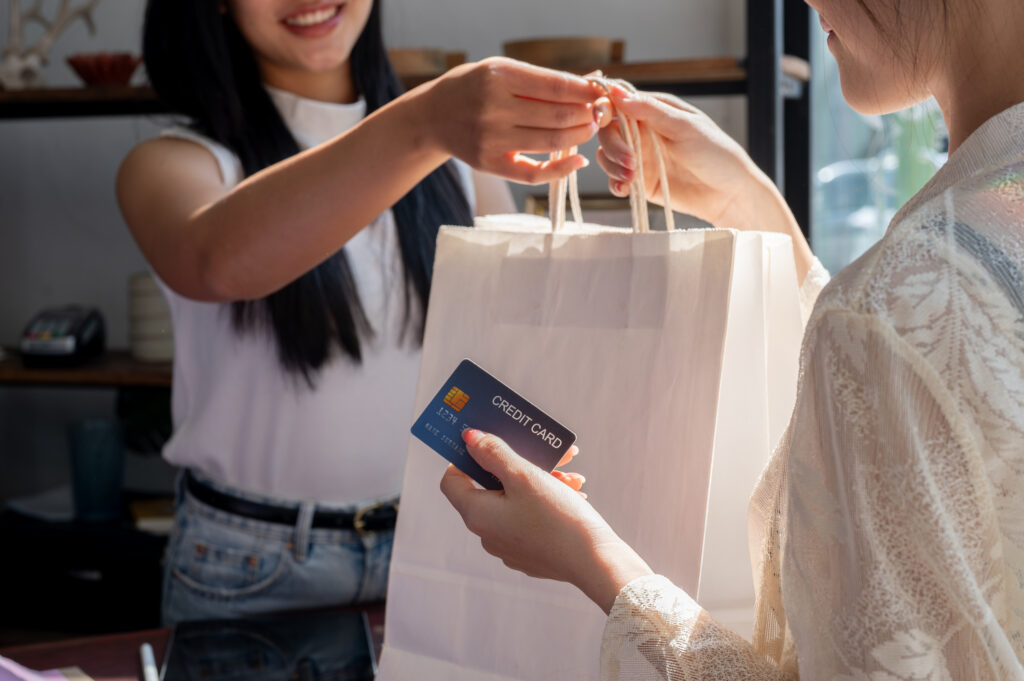
Yes. Debit cards remain one of the most widely used payment methods across UK retail.
Many customers prefer debit cards because they provide:
- Familiarity
- Immediate payment processing
- Budget visibility
- Widespread acceptance
Most modern debit cards also support contactless functionality, which has further increased their popularity.
Credit card usage remains important too
Credit cards continue to play a significant role in UK retail, particularly for:
- Higher-value purchases
- Online shopping
- Rewards and cashback programmes
Retailers should generally support both debit and credit card transactions to meet broad customer expectations.
How popular are mobile wallet payments?
Mobile wallet usage continues to grow across the UK.
Services such as:
- Apple Pay
- Google Pay
have become increasingly common in both physical retail and ecommerce environments.
Why customers like digital wallets
Mobile wallets offer several advantages for consumers, including:
- Faster payments
- Reduced need to carry cards
- Built-in security features
- Convenience on mobile devices
Younger consumers in particular are often highly comfortable using smartphone-based payment methods.
Mobile wallets support faster retail service
Digital wallet transactions are typically processed quickly, helping retailers maintain efficient checkout flow.
This can be particularly valuable in busy environments with high transaction volumes.
Do customers still use cash?
Yes, although cash usage has declined across much of the UK retail market.
Some customers still prefer cash for:
- Budgeting purposes
- Smaller purchases
- Personal preference
- Accessibility reasons
Certain sectors and demographics continue to rely more heavily on cash than others.
Should retailers still accept cash?
Many retailers continue to accept cash alongside digital payments to maximise accessibility and customer choice.
Completely removing cash acceptance may not suit every business or customer base.
The right approach depends on factors such as:
- Customer demographics
- Business type
- Transaction values
- Location
How important are online payment methods?
As ecommerce continues to grow, online payment preferences also influence retail payment trends.
Most online retailers now support:
- Debit cards
- Credit cards
- PayPal
- Apple Pay
- Google Pay
Some businesses also offer:
- Buy now, pay later services
- Subscription billing
- Instant bank transfers
Flexible online payment options can help improve conversion rates and reduce abandoned baskets.
Why does payment flexibility matter for retailers?
Customers increasingly expect businesses to support multiple payment methods.
Retailers that provide flexible options may benefit from:
- Better customer experience
- Faster checkouts
- Reduced abandoned purchases
- Broader customer appeal
Consumers often choose retailers based partly on convenience.
Different customers prefer different payment methods
For example:
- Younger customers may favour mobile wallets
- Older customers may still prefer chip and PIN or cash
- Online shoppers may value one-click payments
Supporting a range of methods helps retailers cater to wider audiences.
What payment trends are influencing UK retail?
Several trends continue to shape retail payment systems.
Growth in contactless spending
Contactless technology is now deeply embedded in everyday retail transactions across the UK.
Increased mobile commerce
More consumers are shopping directly through smartphones, increasing demand for mobile-friendly payment systems.
Demand for faster checkout experiences
Retailers are under pressure to reduce friction and improve payment speed both online and in-store.
Integrated retail systems
Many businesses are also integrating payments with:
- Stock management
- Loyalty programmes
- Customer data systems
- Ecommerce platforms
Integrated systems can help streamline operations and improve reporting.
What should retailers look for in payment systems?
Retail businesses should choose payment systems that support:
- Contactless payments
- Mobile wallet compatibility
- Fast transaction processing
- Reliable connectivity
- Ecommerce integration where relevant
The ideal solution depends on how and where the business trades.
Frequently Asked Questions
What is the most common payment method in UK retail?
Debit cards and contactless payments remain among the most commonly used retail payment methods in the UK.
Are mobile wallet payments growing in popularity?
Yes. Apple Pay and Google Pay usage continues to increase across both physical retail and ecommerce.
Do UK retailers still accept cash?
Many retailers still accept cash, although digital payment usage has grown significantly.
Why are contactless payments important for retailers?
Contactless payments help speed up transactions and improve customer convenience.
Should retailers offer multiple payment methods?
Yes. Supporting different payment options helps businesses meet varying customer preferences.
If your retail business is reviewing flexible payment solutions, Gorilla Pay provides card payment systems designed to support modern UK retail environments and changing customer payment habits.
Phone: 02392 253322
Email: gorillas@gorillapay.co.uk
Find out more: gorillapay.co.uk