Small businesses should consider Buy Now Pay Later payment options if they sell products or services where customers may benefit from spreading the cost. However, it is not the right choice for every business. The decision depends on the average order value, customer expectations, margins, fees, cash flow and the type of products or services being sold.
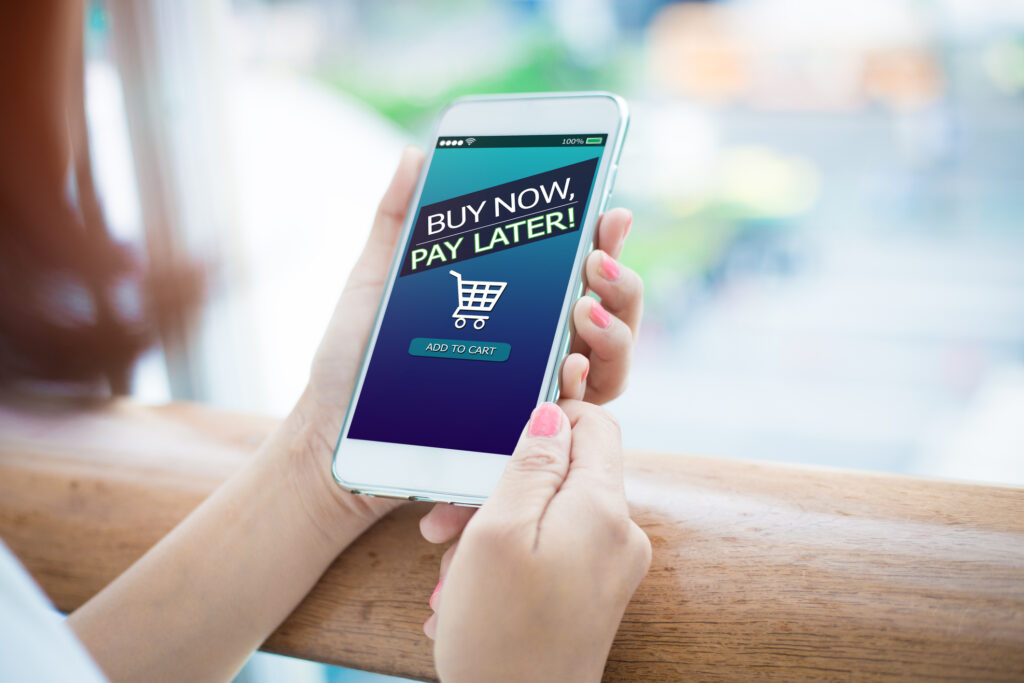
Buy Now Pay Later, often shortened to BNPL, has become more common in online retail and some service sectors. It allows customers to receive goods or services now and pay in instalments or at a later date.
For customers, this can make purchases feel more manageable. For businesses, it may increase conversions and average order values. However, small businesses need to understand the costs and responsibilities before adding it to checkout.
What is Buy Now Pay Later?
Buy Now Pay Later is a payment option that allows customers to delay payment or split the cost into smaller instalments.
Instead of paying the full amount at checkout, the customer usually pays through a third-party BNPL provider. The business receives payment, minus any provider fees, while the customer repays the BNPL provider over time.
Common BNPL arrangements include:
- Pay in 30 days
- Split into three payments
- Monthly instalments
- Interest-free short-term repayment options
The exact terms depend on the provider and the customer’s eligibility.
Why do customers use Buy Now Pay Later?
Customers may use BNPL because it gives them more flexibility.
It can help them:
- Spread the cost of larger purchases
- Buy items before payday
- Manage short-term cash flow
- Avoid using a traditional credit card
- Complete purchases they might otherwise delay
For ecommerce businesses, BNPL can reduce hesitation at checkout when customers are interested but not ready to pay the full amount immediately.
What are the benefits for small businesses?
BNPL can offer several potential benefits for small businesses, especially online retailers.
It may improve conversion rates
Some customers abandon baskets because the total cost feels too high at the final stage. Offering BNPL can make the purchase feel more manageable, helping more customers complete checkout.
This may be particularly useful for businesses selling:
- Higher-value products
- Gift items
- Furniture
- Electronics
- Clothing
- Beauty products
- Equipment
- Courses or packages
It may increase average order value
Customers may spend more when they have the option to split payments.
For example, a customer may choose a higher-value product, add accessories or buy multiple items if the payment feels more manageable.
This does not mean every business will see higher order values, but it can be a benefit in the right sector.
It can improve customer convenience
Customers increasingly expect flexible payment options online. BNPL can sit alongside debit cards, credit cards and digital wallets to give customers more choice.
More payment choice can help businesses meet different customer preferences.
What are the risks of offering BNPL?
BNPL is not risk-free. Small businesses should consider the wider impact before adding it to checkout.
Provider fees may be higher
BNPL providers often charge businesses higher fees than standard card payments.
This means margins can be affected, especially for businesses with low profit per sale.
Before offering BNPL, businesses should calculate whether the extra conversions or order values are likely to justify the additional cost.
It may not suit low-value purchases
BNPL usually makes more sense for higher-value transactions. For small everyday purchases, it may add unnecessary complexity.
Businesses should consider whether customers genuinely need instalment options for the products being sold.
It can encourage unsuitable purchases
Some businesses may feel uncomfortable offering deferred payment options for products that customers should not buy without clear affordability.
Brand reputation matters. If BNPL feels out of place or irresponsible for the product category, it may not be the right fit.
How does BNPL affect cash flow?
One attraction of BNPL is that the business is typically paid quickly by the provider, while the customer repays the provider over time.
This can help businesses avoid chasing instalments directly.
However, the business still needs to understand:
- Provider fees
- Settlement times
- Refund processes
- Dispute handling
- Chargeback responsibilities
A faster sale is useful only if the overall process remains profitable and manageable.
What should small businesses check before offering BNPL?
Before adding BNPL, small businesses should ask practical questions.
Important checks include:
- What fees will apply?
- How quickly will funds be settled?
- How are refunds handled?
- What happens if a customer misses payments?
- Does the provider integrate with the website?
- Will BNPL affect profit margins?
- Is the payment journey clear for customers?
The provider should explain both the benefits and limitations clearly.
Is BNPL better for ecommerce than in-store sales?
BNPL is most common in ecommerce because it fits naturally into online checkout. However, some providers also support in-store BNPL options.
For small online retailers, BNPL can be useful when customers are comparing products and deciding whether to complete checkout.
For in-store businesses, it may suit higher-value purchases where customers want flexibility at the point of sale.
Which businesses are best suited to BNPL?
BNPL may work well for businesses with:
- Medium to high average order values
- Strong profit margins
- Ecommerce websites
- Products customers carefully consider before buying
- Younger or digitally confident audiences
- Clear refund and returns processes
It may be less suitable for businesses with very low margins, low transaction values or products where delayed payment could feel inappropriate.
How can BNPL affect customer trust?
BNPL can improve trust if it is presented clearly and responsibly.
Customers should understand:
- How payments are split
- When payments are due
- Whether fees or interest apply
- Who provides the finance
- What happens if payments are missed
Confusing payment terms can damage trust. Clear communication is essential.
Should BNPL replace other payment methods?
No. BNPL should usually be an additional option, not a replacement for standard payments.
Most businesses should still support:
- Debit cards
- Credit cards
- Apple Pay
- Google Pay
- Standard online card payments
BNPL works best when it gives customers more choice without making checkout more confusing.
What should businesses consider from a brand perspective?
Payment options affect how customers perceive a business.
For some brands, BNPL can feel modern, convenient and customer-friendly. For others, it may feel unnecessary or out of step with the audience.
Businesses should consider whether BNPL supports their customer experience or simply adds another logo to checkout.
A useful question is: will this genuinely help customers buy with confidence?
Frequently Asked Questions
Is Buy Now Pay Later suitable for all small businesses?
No. BNPL is usually better suited to businesses with higher-value products, strong margins and customers who may benefit from spreading payments.
Does BNPL cost businesses more than card payments?
Often, yes. BNPL provider fees can be higher than standard card processing fees, so businesses should calculate the impact on margins.
Do businesses get paid straight away with BNPL?
In many cases, businesses receive payment from the BNPL provider shortly after purchase, but settlement times vary.
Can BNPL increase sales?
It may increase conversions and average order values for some businesses, especially ecommerce retailers selling higher-value items.
Should BNPL be the main payment option?
Usually not. It is best offered alongside standard card payments and digital wallets.
Buy Now Pay Later can be useful for the right small business, but it should be introduced carefully. If your business is reviewing flexible payment options, Gorilla Pay can help you explore practical payment solutions that suit your customers, costs and long-term goals.
Phone: 02392 253322
Email: gorillas@gorillapay.co.uk
Find out more: https://gorillapay.co.uk