
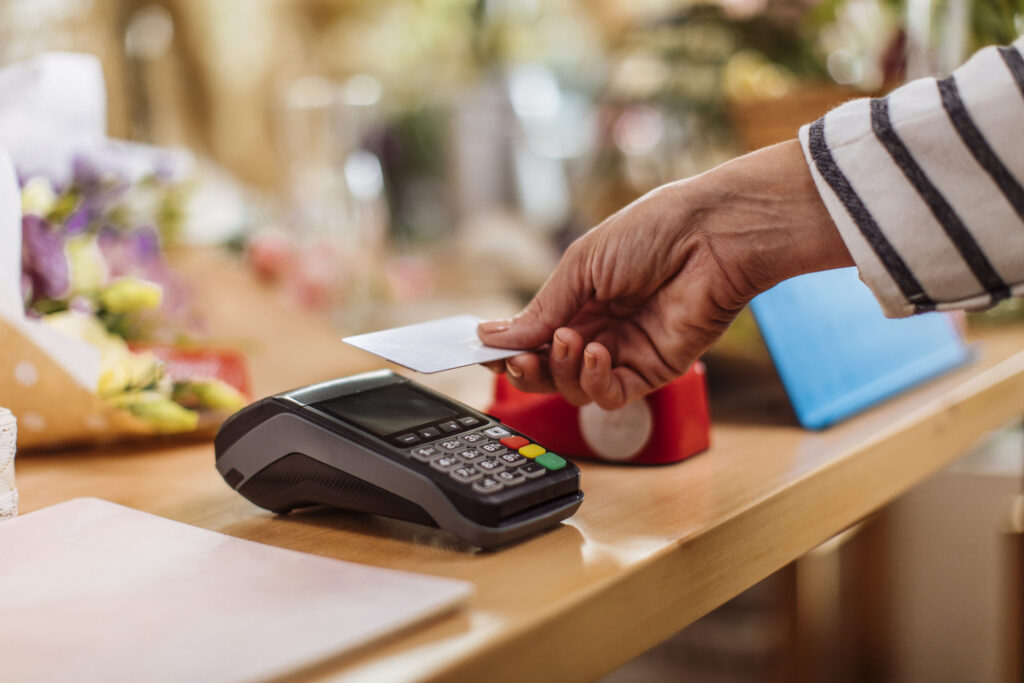
Seasonal hospitality businesses face a distinctive mix of payment challenges. They may take a large proportion of their annual revenue within a few busy weeks, rely on temporary staff, operate from outdoor or remote locations and need extra payment equipment only during peak periods.
A seaside café may be quiet throughout winter and overwhelmed during the summer holidays. A wedding venue may process large deposits months before an event and collect final balances closer to the date. A festival bar may need several portable terminals for one weekend, then have no use for them afterwards.
These businesses need payment solutions that can cope with rapid changes in demand without creating unnecessary costs during quieter months.
The main challenge is balancing reliability and capacity during busy periods with flexibility when trade slows down. Long contracts, fixed monthly charges, poor mobile connectivity and slow access to support can all become more difficult for businesses whose income changes sharply throughout the year.
How Does Seasonal Trading Affect Cash Flow?
Seasonal hospitality businesses rarely receive income at a steady rate.
A coastal venue may generate most of its sales during spring and summer. A Christmas attraction may trade heavily for several weeks at the end of the year. A wedding or events business may receive deposits throughout the year but face a concentrated period of service delivery during warmer months.
This uneven income can make payment costs harder to manage.
A monthly terminal fee may feel manageable during peak season but become an unnecessary burden when the venue is closed or trading at a much lower level. Minimum monthly processing charges can create the same problem.
The business still needs to pay for:
- Premises
- Insurance
- Maintenance
- Stock
- Staffing
- Utilities
- Licences
- Marketing
- Payment services
When revenue falls sharply, fixed costs become more noticeable.
Seasonal businesses therefore need to look beyond headline transaction rates. The full payment arrangement should reflect how often the business trades and how much flexibility it needs outside its busiest periods.
Why Are Long Payment Contracts a Problem?
A long contract can lock a seasonal business into paying for equipment it only needs for part of the year.
For example, an outdoor hospitality venue may require several card machines between May and September. During winter, it may need only one terminal or none at all.
A rigid agreement may not allow the business to:
- Reduce the number of machines
- Pause services
- Change equipment
- Cancel during closed periods
- Add extra terminals temporarily
- Adapt to lower-than-expected demand
This can create an imbalance between the cost of the payment setup and the revenue it helps generate.
Before signing an agreement, businesses should check:
- The minimum contract length
- The cancellation notice
- Early termination fees
- Whether terminal numbers can change
- Whether charges continue during closure
- Whether extra machines can be added temporarily
- Whether the contract renews automatically
Gorilla Pay offers 30-day rolling contracts, giving businesses more room to adjust their payment setup when circumstances change.
What Happens When Demand Increases Suddenly?
Seasonal demand is not always predictable.
Weather, local events, school holidays and tourism can create sudden increases in customer numbers. A sunny weekend may bring several times the normal footfall to a beach bar or visitor attraction.
Payment systems need to cope with this increase.
Problems can arise when:
- Too few terminals are available
- Queues form around one payment point
- The internet connection becomes overloaded
- Batteries run flat
- Machines are shared between too many staff
- Transactions take longer than usual
- Receipts or paper rolls run out
- Staff do not know how to resolve basic errors
The business may lose sales even when customer demand is strong.
Capacity planning should consider the busiest realistic trading period rather than an average day. A payment setup that works comfortably on a quiet Tuesday may not be suitable for a bank holiday weekend.
How Many Card Machines Does a Seasonal Venue Need?
There is no universal answer.
The correct number depends on the layout, service model, transaction volume and average transaction time.
A small kiosk may need one primary terminal and a backup. A busy pub garden may benefit from several portable machines. A festival venue might need a separate terminal at each bar or sales point.
Businesses should consider:
- Number of service areas
- Number of staff taking payment
- Expected transaction volume
- Average queue length
- Table service requirements
- Outdoor trading areas
- Need for backup equipment
- Distance between payment points
It is also worth considering what happens when one machine fails.
If the venue relies on a single terminal, even a minor fault can stop card payments completely. A second device can provide valuable resilience during peak trading.
However, paying year-round for several machines that are only needed occasionally may not be cost-effective. The payment arrangement should make it possible to scale equipment in a practical way.
Why Is Connectivity Such a Common Problem?
Many seasonal hospitality businesses operate in locations where connectivity is less reliable.
Examples include:
- Beaches
- Marinas
- Campsites
- Rural wedding venues
- Outdoor festivals
- Temporary marquees
- Mobile food units
- Visitor attractions
- Historic buildings
A terminal may use Wi-Fi, broadband or mobile data, depending on the machine and provider.
Each option has potential weaknesses.
Wi-Fi may not reach an outdoor seating area. Mobile data can become slower when large crowds use the same network. Broadband faults can interrupt countertop terminals. Thick walls may reduce signal strength inside older properties.
Businesses should test connectivity in the exact areas where payments will be taken.
A strong signal beside the office does not guarantee reliable performance at an outdoor bar, terrace or entrance gate.
It may be useful to have more than one connection option available. Some modern terminals can use Wi-Fi and mobile data, allowing them to continue operating when one connection becomes unavailable.
How Can Poor Connectivity Affect Customers?
Payment delays are especially damaging during busy hospitality periods.
Customers expect card transactions to be quick. When a terminal repeatedly searches for a signal, queues grow and staff can become flustered.
This may lead to:
- Customers abandoning purchases
- Duplicate payment attempts
- Staff moving around to find a signal
- Delayed table turnover
- Confusion about whether a payment succeeded
- Increased pressure on supervisors
- More cash handling than planned
A failed connection can also make it difficult to issue refunds, close bills or reconcile transactions.
Businesses should establish a procedure for uncertain payments. Staff need to know how to check whether a transaction was approved before asking the customer to try again.
Repeatedly charging a customer because the confirmation screen was slow can create complaints and refund administration later.
Why Are Portable Card Machines Important?
Portable terminals allow staff to take payments where customers are being served.
This can be useful for:
- Table service
- Beer gardens
- Outdoor events
- Food stalls
- Hotel terraces
- Mobile catering
- Queue-based service
- Pop-up venues
Customers do not need to leave their table or walk to a fixed till. Staff can close bills more quickly and reduce congestion around a central payment point.
Portability also creates practical responsibilities.
The machines need:
- Reliable batteries
- Secure storage
- Clear staff allocation
- Suitable connectivity
- Protection from weather
- Regular charging
- Easy replacement if damaged
A terminal should not be left unattended on a table, outdoor counter or temporary bar.
Businesses should know who is responsible for each machine and where it should be returned after a shift.
How Do Temporary Staff Affect Payment Security?
Seasonal hospitality businesses often depend on temporary, part-time or agency staff.
New employees may begin work shortly before the busiest period and receive limited training. They may be expected to use card terminals, point-of-sale systems and refund functions immediately.
This can create security and operational risks.
Temporary staff may be unfamiliar with:
- How to confirm a successful payment
- What to do when a transaction is declined
- Refund procedures
- Terminal security
- Suspicious customer behaviour
- Manager approval requirements
- End-of-shift reconciliation
- Lost or damaged equipment reporting
Training should cover more than which buttons to press.
Staff need to understand that a payment shown on a customer’s phone is not proof that the venue has received the money. Approval should be confirmed through the business’s own terminal or till system.
Refund permissions should also be controlled. Not every temporary employee needs access to high-value refunds or administrator settings.
Why Do Refunds Create Seasonal Challenges?
Hospitality businesses may process refunds for cancelled events, booking changes, deposits, duplicate payments or service complaints.
Seasonal businesses can find this difficult when the original payment was taken months earlier.
A wedding venue, for example, may receive a deposit during winter for an event the following summer. If plans change, staff need to find the original transaction and follow the agreed refund policy.
Problems can occur when:
- Staff cannot locate the original payment
- The original card has expired
- The payment was made through a different system
- The customer requests a refund to another card
- Seasonal staff do not know the procedure
- Cash flow is tight during the refund period
The business should keep accurate transaction records and explain refund terms clearly at the point of booking.
Where possible, refunds should be returned through the approved payment process to the original payment method.
How Do Advance Bookings Affect Payments?
Many hospitality businesses receive payment before the customer arrives.
This may include:
- Room deposits
- Wedding venue bookings
- Event tickets
- Restaurant reservations
- Group bookings
- Christmas party deposits
- Tour or activity payments
Advance payments help protect revenue and confirm customer commitment. They also create additional administration.
The business needs to record:
- Who paid
- What the payment covers
- The booking date
- The remaining balance
- The cancellation terms
- Any refund due
- The payment method used
Payment links can make deposits easier to collect remotely. Instead of asking customers to provide card details over the phone, the business can send a secure route to payment.
The link should show the correct business name, amount and booking reference.
How Can Seasonal Businesses Reduce No-Shows?
No-shows can have a significant impact when capacity is limited.
A restaurant that turns away other customers for a large booking may lose substantial revenue if the group does not arrive.
Depending on the business model, possible approaches include:
- Taking a deposit
- Requiring full prepayment
- Holding card details through an approved system
- Charging a clearly explained cancellation fee
- Sending automated reminders
- Asking customers to reconfirm
The payment and cancellation policy should be proportionate and transparent.
Customers need to understand:
- How much they are paying
- Whether the payment is refundable
- The cancellation deadline
- What happens if the venue cancels
- How changes to the booking are handled
Poorly explained charges can lead to disputes and chargebacks.
How Do Seasonal Staff Handle Tips?
Tips can create another layer of payment complexity.
A venue may allow customers to add a gratuity through the card machine. The system needs to make the choice clear and avoid putting customers under uncomfortable pressure.
The business should decide:
- Whether tipping is enabled
- Whether service charges are separate
- How tips are recorded
- How they are distributed
- Whether staff can alter the amount
- How refunds affect tips
- How card tips appear in reports
Staff need training so they can explain the process without influencing the customer improperly.
The payment reports should make it possible to separate sales, service charges and gratuities accurately.
What Happens When Terminals Run Out of Power?
Battery management can easily be overlooked during busy service.
A portable machine may be used continuously across several areas. If it is not returned to its charging point, it may fail during the busiest part of the day.
Businesses can reduce this risk by:
- Charging all terminals before opening
- Assigning charging responsibility
- Keeping chargers in known locations
- Rotating devices where necessary
- Monitoring battery levels
- Avoiding unauthorised chargers
- Keeping a backup terminal available
Older batteries may hold less charge than expected. A machine that operated all day last season may not do so this year.
Testing equipment before reopening for the season can reveal battery and connectivity problems while there is still time to resolve them.
Why Is Equipment Testing Before Peak Season Important?
Seasonal venues may store payment equipment for several months.
When the business reopens, it may discover that:
- Software updates are overdue
- Passwords have expired
- SIM connectivity has changed
- Batteries no longer hold charge
- Accessories are missing
- Staff accounts are inactive
- The terminal is damaged
- The point-of-sale integration no longer works
These problems should not be discovered during the first busy service.
Before the season begins, businesses should:
- Inspect every terminal.
- Charge portable devices fully.
- Install approved updates.
- Complete test transactions.
- Test refunds where appropriate.
- Check Wi-Fi and mobile connectivity.
- Confirm settlement and reporting.
- Review user permissions.
- Train new staff.
- Confirm support contact details.
Test purchases should be carried out from the locations where the machines will actually be used.
What Support Do Seasonal Businesses Need?
Fast access to support can be particularly important during a limited trading window.
A venue that earns much of its annual income over a few weekends cannot afford to wait several days for a terminal replacement.
Businesses should ask payment providers:
- When support is available
- How faults are reported
- Whether remote troubleshooting is offered
- How quickly replacement machines can be supplied
- Whether weekend support is available
- What happens during an outage
- Whether extra terminals can be configured quickly
- Whether temporary locations are supported
The quality of support may be more valuable than a small difference in transaction pricing.
Clear instructions are also important. Staff should know whether to contact the payment provider, till supplier, broadband provider or internal manager for different types of fault.
How Do Weather Conditions Affect Payment Equipment?
Outdoor and temporary hospitality businesses need to protect terminals from weather and environmental damage.
Payment machines are electronic devices and should not be exposed unnecessarily to:
- Heavy rain
- Direct heat
- Sand
- Grease
- Dust
- Condensation
- Spilled drinks
- Extreme cold
Staff may be tempted to leave a terminal beside a till or outdoor counter for convenience. A sudden shower or spilled drink can damage the equipment and stop payments.
Suitable covers, indoor storage and clear handling procedures can reduce the risk.
Terminals should not be wrapped or modified in ways that interfere with ventilation, card slots or contactless performance. Businesses should follow the manufacturer’s and provider’s guidance.
What Payment Challenges Do Pop-Up Venues Face?
Pop-up bars, food stalls and temporary hospitality units often need to create a complete payment setup quickly.
They may have limited access to:
- Fixed broadband
- Mains power
- Secure storage
- Back-office systems
- Technical staff
- Permanent counters
The payment solution needs to be portable and simple enough for staff to operate with minimal disruption.
However, simplicity should not mean weak controls.
The business still needs to:
- Track each terminal
- Protect administrator access
- Train staff
- Reconcile transactions
- Monitor refunds
- Store equipment securely
- Confirm connectivity
- Keep customer payment data protected
A temporary trading location should be planned with the same care as a permanent venue.
How Can Businesses Manage Several Trading Locations?
Seasonal hospitality operators may run multiple kiosks, bars, venues or event stands.
This can make payment reporting more complicated.
The business needs to identify:
- Which location made each sale
- Which terminal was used
- Which employee processed the transaction
- Which refunds belong to each site
- How much each location should settle
- Whether all machines have been returned
Terminals should be labelled or assigned consistently.
Reporting that separates locations can make reconciliation easier and help the business compare performance. It can also reveal unusual refund or transaction activity.
Without clear organisation, all payments may appear together, leaving managers to work out which site produced each total manually.
Why Are Chargebacks a Concern?
A chargeback occurs when a customer disputes a card transaction through their card issuer.
Seasonal hospitality businesses may face disputes relating to:
- Cancelled events
- No-show charges
- Unrecognised deposits
- Poorly explained service charges
- Duplicate transactions
- Refund delays
- Services that did not match expectations
- A business name the customer does not recognise
Clear records are essential.
The business should keep:
- Booking confirmations
- Payment receipts
- Cancellation terms
- Customer correspondence
- Evidence of attendance or service
- Refund records
- Signed agreements where relevant
The business name appearing on the customer’s statement should be recognisable where possible.
A customer who booked with one brand but sees an unrelated company name on their statement may dispute a genuine transaction by mistake.
How Can Payment Costs Be Controlled?
Seasonal businesses should compare payment costs in the context of their trading pattern.
Important charges may include:
- Terminal rental
- Transaction fees
- Minimum monthly charges
- Connectivity costs
- Payment gateway fees
- Refund fees
- Chargeback fees
- Setup charges
- Cancellation costs
A lower transaction rate may not represent good value when it is tied to high fixed charges during closed periods.
Businesses should estimate costs for both peak and quiet months.
They should also consider the value of:
- Additional terminals
- Technical support
- Replacement cover
- Reporting
- Flexible contracts
- Online payment features
- Mobile connectivity
A transparent provider should explain the complete cost rather than highlighting one attractive rate.
Which Payment Features Are Most Useful?
The most helpful features depend on the type of seasonal hospitality business.
Common priorities include:
Portable terminals
Useful for table service, outdoor areas and temporary sales points.
Mobile connectivity
Important where fixed broadband or Wi-Fi is unavailable.
Contactless payments
Helps staff process lower-value transactions quickly and keep queues moving.
Digital wallet support
Allows customers to pay using compatible smartphones and devices.
Payment links
Useful for deposits, advance bookings and remote balances.
Multiple user controls
Helps restrict refunds and administrative access.
Clear reporting
Makes it easier to compare locations, staff shifts and payment channels.
Fast support
Reduces downtime during peak periods.
Flexible agreements
Allows the payment setup to change as the business moves between busy and quiet seasons.
Gorilla Pay provides card payment services for hospitality businesses that need practical, flexible ways to accept payments.
Frequently Asked Questions
Can a seasonal business pause card machine rental?
This depends on the provider and agreement. Some contracts continue charging throughout the year, so businesses should check pause, cancellation and notice terms before signing.
Do outdoor hospitality venues need mobile card machines?
Portable terminals with mobile connectivity can be useful where customers are served away from a fixed till. The exact setup depends on local signal strength and the venue layout.
How many backup card machines should a venue have?
The appropriate number depends on transaction volume and the impact of downtime. A business relying on one main terminal may benefit from at least one tested alternative.
Can payment links be used for hospitality deposits?
Yes. A secure payment link can allow customers to pay deposits or balances remotely without giving card details over the phone.
What should staff do when a payment appears to fail?
They should check the business terminal or payment system to confirm the transaction status before asking the customer to pay again. Staff should follow the provider’s procedure for uncertain transactions.
Are rolling contracts useful for seasonal venues?
They can be. A rolling contract may provide greater flexibility than a long fixed term, particularly when equipment requirements change throughout the year.
Building a Payment Setup Around Seasonal Demand
Seasonal hospitality businesses need payment systems that can expand during peak periods and remain affordable when trade slows down.
Reliable connectivity, sufficient terminals and well-trained staff help prevent lost sales during busy services. Flexible contracts, clear fees and suitable online payment options can reduce unnecessary costs and administration outside the main season.
Planning should begin before customers arrive.
Businesses should inspect stored terminals, test transactions, check batteries, review staff access and confirm support arrangements before reopening or attending an event.
They should also calculate payment costs across the whole year rather than judging a provider only by its peak-season transaction rate.
The right payment solution should support the way the business actually trades. It should be reliable when demand is high, straightforward for temporary staff and flexible enough to change when the season ends.
Gorilla Pay offers card payment machines and payment solutions with transparent pricing, practical support and 30-day rolling contracts. Explore our payment services, review available payment machines or contact Gorilla Pay to discuss your seasonal requirements.
Phone: 02392 253322
Email: gorillas@gorillapay.co.uk
Find out more: https://gorillapay.co.uk