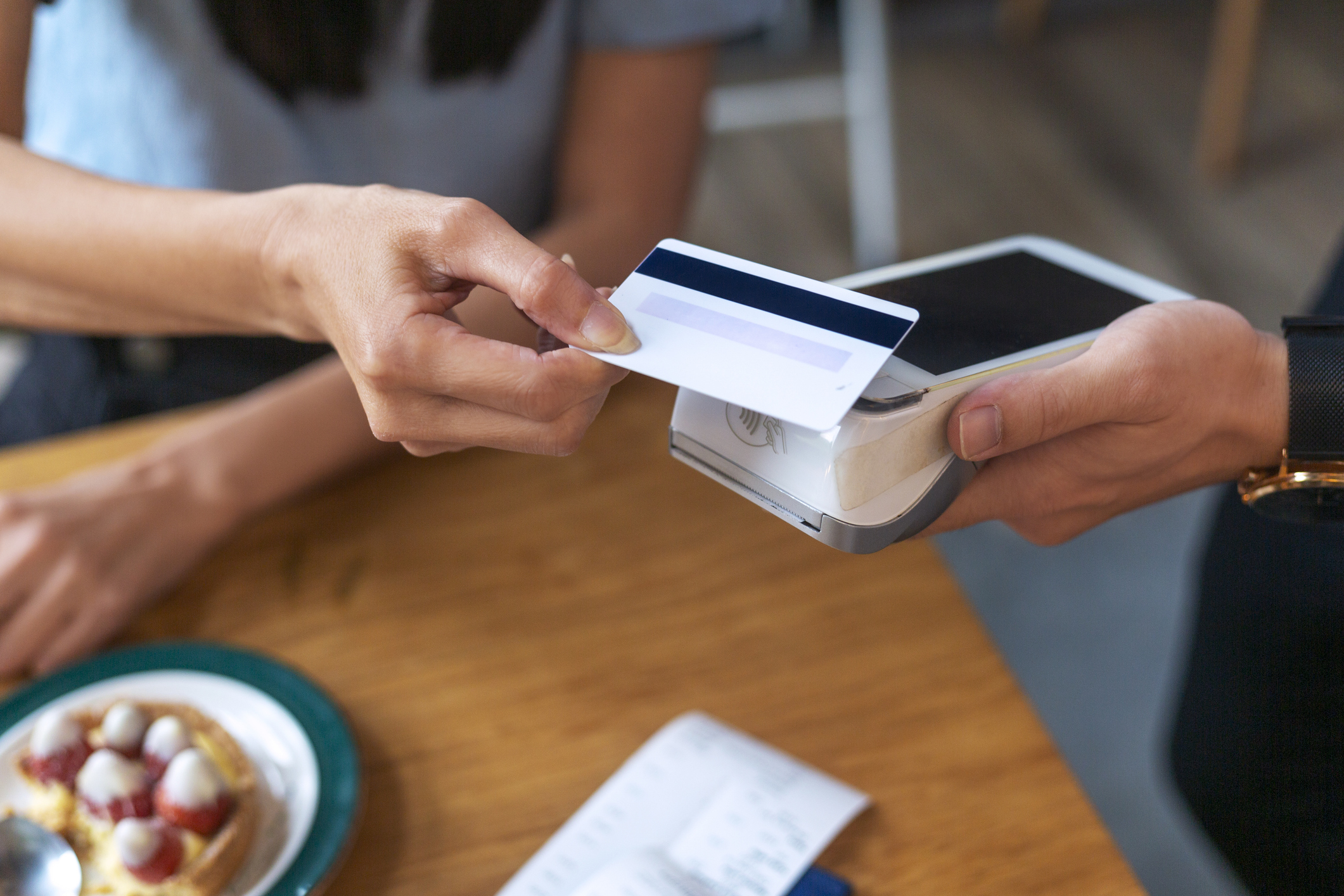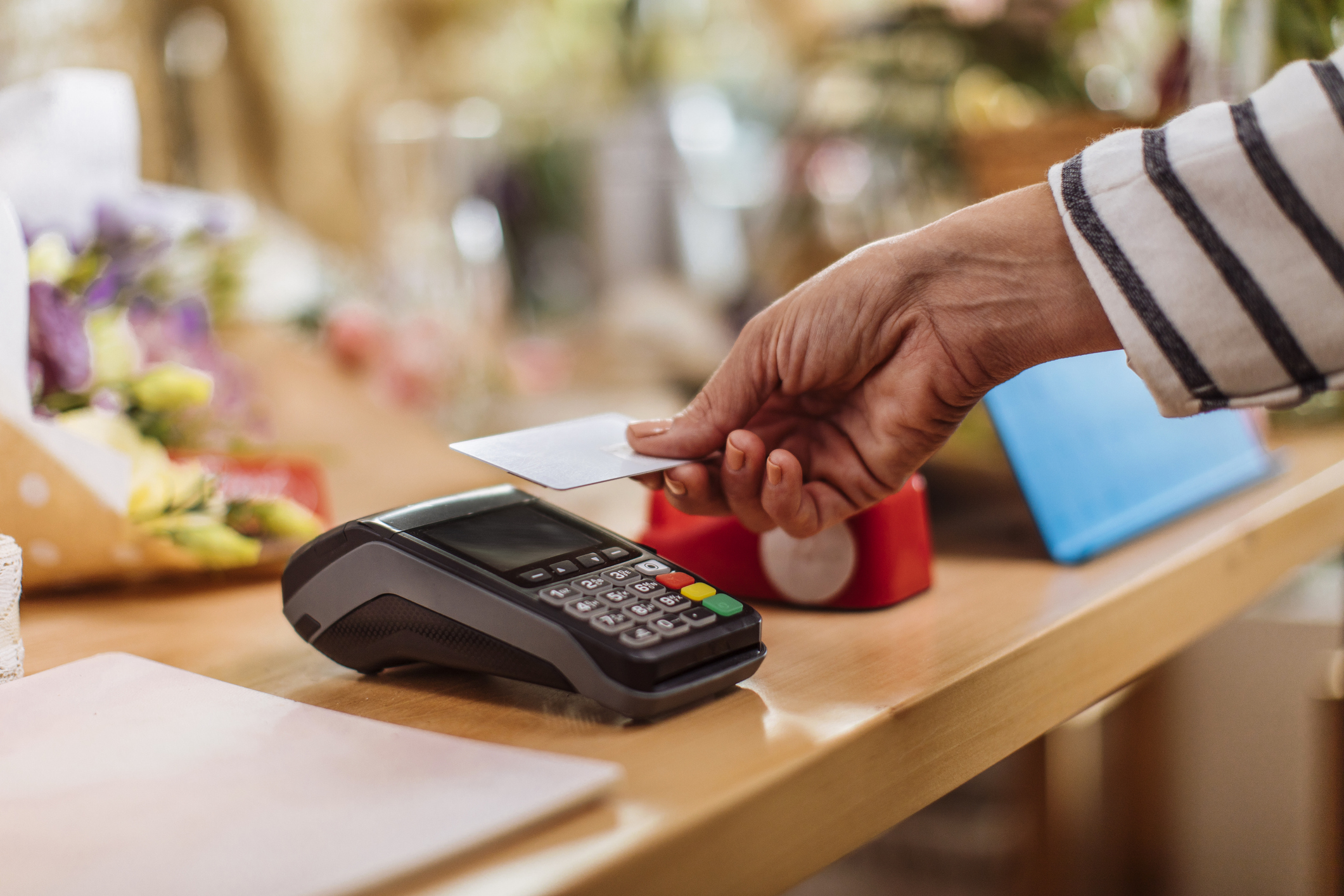
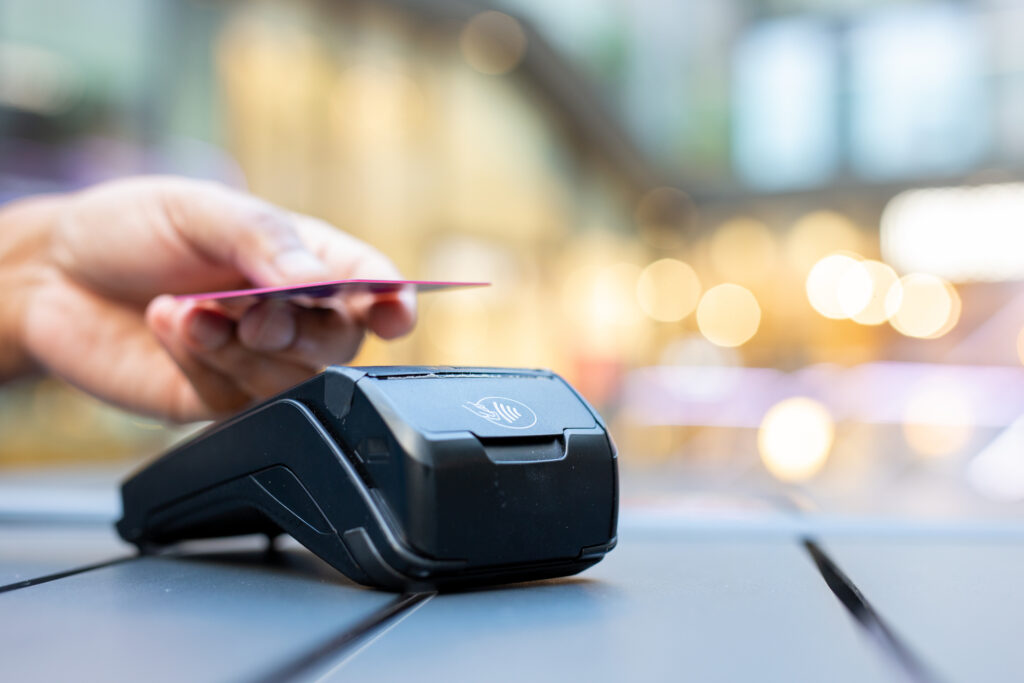
Choosing a card payment machine is no longer just about accepting debit and credit cards. For many small businesses, payment technology now affects customer experience, staff efficiency, cash flow and even business reputation.
Whether you run a café, salon, retail shop, trade business or professional practice, customers increasingly expect fast and flexible payment options. A slow or outdated system can create frustration, while the right setup can help businesses appear more professional and operate more smoothly.
With so many payment solutions on the market, it is important to understand which features genuinely matter and which are simply unnecessary extras.
Why are card payment machines so important for small businesses?
Consumer payment habits in the UK have changed significantly over the past decade. Many customers now prefer card or mobile payments over cash, particularly for everyday purchases.
For small businesses, this means card acceptance is often expected rather than optional.
A reliable payment system can help businesses:
- Reduce lost sales
- Improve customer convenience
- Speed up transactions
- Simplify accounting
- Support flexible working
The right system should fit naturally into how the business operates rather than creating extra complications.
Which features matter most day to day?
Different businesses prioritise different features, but several factors are consistently important for smaller operators.
Fast transaction speeds
Customers expect payments to process quickly, especially in busy environments.
Slow payment processing can cause:
- Longer queues
- Frustrated customers
- Delays during peak periods
- Reduced staff efficiency
Fast contactless transactions are particularly valuable in hospitality and retail settings where businesses may process large numbers of smaller purchases.
Reliable connectivity
A card machine is only useful if it works consistently.
Businesses should look for systems that offer stable:
- Wi-Fi connectivity
- 4G or 5G SIM support
- Bluetooth options where appropriate
Some machines can automatically switch between networks if one connection fails, which can reduce disruption during busy trading periods.
Long battery life
Portable devices should comfortably last throughout the working day.
Battery performance becomes especially important for:
- Hospitality venues
- Mobile traders
- Delivery services
- Market stalls
- Tradespeople
Constant charging interruptions can affect customer service and slow operations.
Why is portability important for many businesses?
Portable payment machines are no longer only useful for restaurants.
Many small businesses now benefit from flexible payment options.
Supporting mobile businesses
Tradespeople, mobile beauty services and event businesses often need to accept payments away from fixed premises.
Portable machines allow businesses to:
- Take payment immediately
- Reduce invoice chasing
- Improve cash flow
- Offer customers more convenience
Helping retail and hospitality businesses
Portable devices can also support:
- Queue busting
- Outdoor service
- Table payments
- Temporary pop-up spaces
This flexibility can improve customer experience during busy periods.
Which payment methods should modern machines support?
Customers increasingly expect multiple payment options.
Most small businesses should now accept:
- Contactless cards
- Chip and PIN
- Apple Pay
- Google Pay
Depending on the business model, additional options may also help, such as:
- Online payment links
- QR code payments
- Click-and-collect payments
The easier it is for customers to pay, the less friction there is during checkout.
Are integrations important for small businesses?
Integration capabilities can become increasingly valuable as businesses grow.
EPOS integration
Many businesses now use electronic point-of-sale systems to manage sales, stock and reporting.
Integrated payment systems can:
- Automatically transfer payment totals
- Reduce manual entry errors
- Improve reporting accuracy
- Save staff time
Accounting software integration
Some payment platforms can also connect with accounting systems.
This may simplify:
- Reconciliation
- VAT tracking
- Financial reporting
- Bookkeeping processes
For small businesses managing limited admin time, this can make a noticeable difference.
How important are reporting features?
Modern card payment systems often provide far more than payment processing alone.
Detailed reporting tools can help businesses understand:
- Peak trading times
- Transaction volumes
- Payment trends
- Refund activity
- Staff performance
Some businesses may only need basic reporting, while others value more detailed analytics.
The right level of reporting depends on operational complexity and growth plans.
Should businesses prioritise flexibility in contracts?
Contract flexibility is often overlooked when businesses compare providers.
Some payment providers offer:
- Rolling monthly agreements
- Fixed-term contracts
- Early exit charges
- Hardware rental models
For newer businesses or seasonal operators, flexibility can be particularly important.
Why long contracts can be risky
Small businesses often evolve quickly. A payment setup that works today may not suit the business a year later.
Long-term agreements may become restrictive if businesses later:
- Expand locations
- Change EPOS systems
- Shift to ecommerce
- Add mobile trading
Understanding cancellation terms before signing can help avoid future issues.
What support should businesses expect?
Reliable customer support becomes extremely important when payment issues occur.
Businesses should ask providers:
- What are support hours?
- Is UK-based support available?
- Is phone support included?
- Are replacement devices available quickly?
A payment outage during busy trading periods can directly affect revenue.
Strong support can reduce downtime and help businesses resolve issues faster.
How important are security features?
Customers expect payment systems to be secure and trustworthy.
Modern card machines should support:
- PCI-compliant transactions
- Encrypted payments
- Secure software updates
- Fraud protection measures
Security is particularly important for businesses handling large transaction volumes or customer data integrations.
What should businesses look for in pricing?
Headline transaction fees only tell part of the story.
Businesses should review:
- Transaction charges
- Monthly fees
- Terminal rental costs
- Settlement times
- Support charges
- PCI compliance fees
Transparent pricing is often more valuable than headline discounts that later include hidden costs.
Why settlement speed matters
Cash flow can be critical for small businesses.
Some providers offer next-day settlement, while others may take several days to release funds.
Faster access to payments may help businesses manage:
- Supplier payments
- Staffing costs
- Inventory purchases
- Daily operating expenses
What features matter for growing businesses?
A payment solution should support future growth rather than limit it.
Businesses planning to scale may benefit from systems that can support:
- Multiple terminals
- Staff accounts
- Multi-location reporting
- Ecommerce integration
- Loyalty programmes
Choosing a scalable system early may reduce disruption later.
Frequently Asked Questions
Do all small businesses need portable card machines?
No, but portable devices can benefit many businesses that operate outside fixed counters or offer flexible service.
What is the most important feature in a card payment machine?
Reliability is usually the most important factor. A fast, dependable system supports smoother customer experiences.
Can small businesses accept mobile wallet payments?
Yes. Most modern payment machines support Apple Pay and Google Pay.
Are integrated payment systems worth it?
For businesses with higher transaction volumes or EPOS systems, integrations can save time and reduce errors.
Should small businesses avoid long-term contracts?
Not always, but businesses should understand cancellation terms and flexibility before committing.
If your business is reviewing payment solutions, Gorilla Pay provides flexible card payment options designed to support UK businesses with transparent pricing and practical support.
Phone: 02392 253322
Email: gorillas@gorillapay.co.uk
Find out more: gorillapay.co.uk